

First of all, Happy Chinese New Year! Gong Xi Fa Cai! (“Wishing you good wealth and fortune” in Mandarin Chinese.)
Chinese New Year is the most important celebration in the Chinese society. People have a whole week off to celebrate. If you visit China during this time, you will definitely feel the happy atmosphere.
1. Chinese New Year is never on the same day every year.
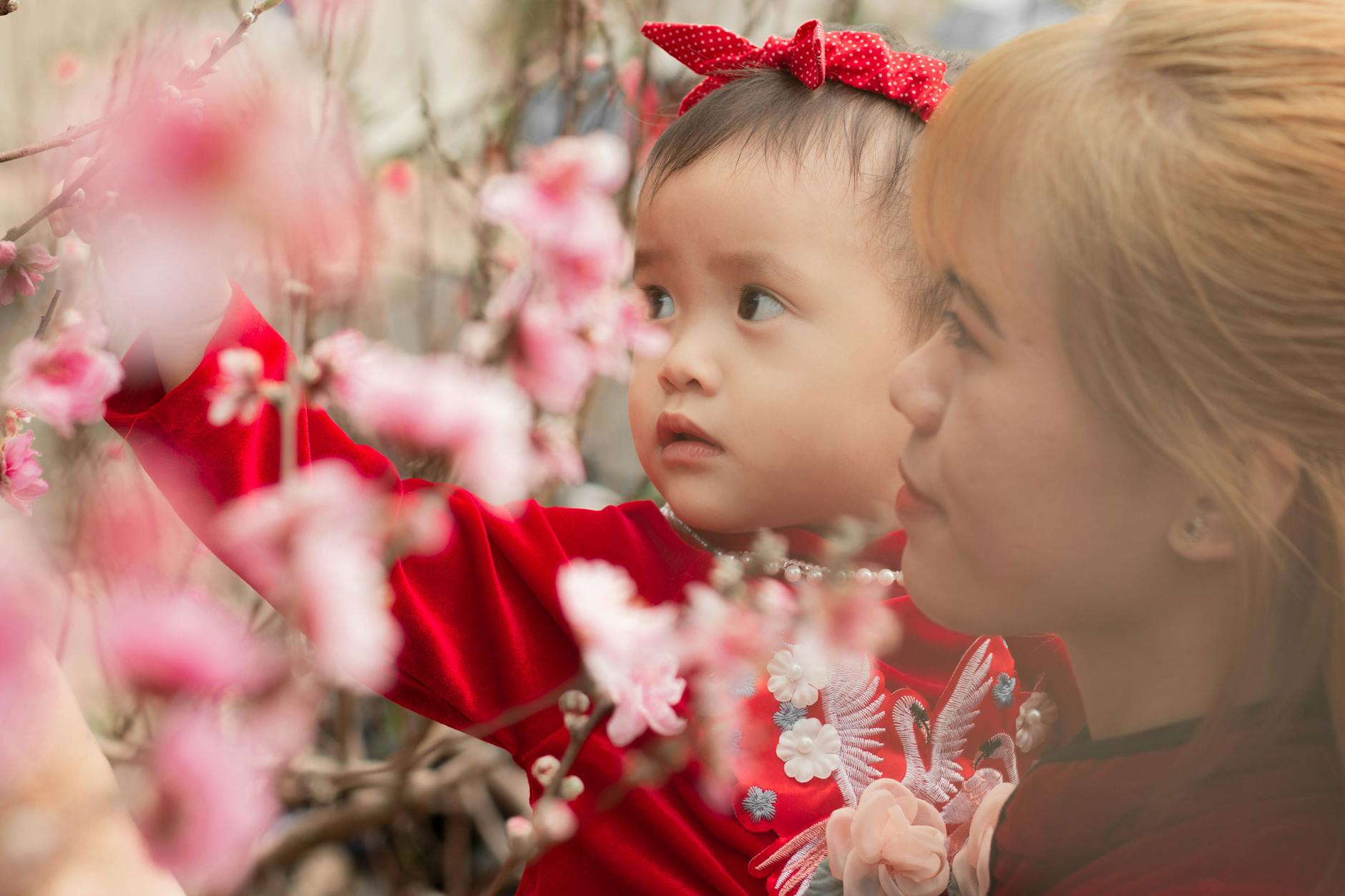
Chinese New Year is never on the same day every year. Why is that?
Instead of going by the Gregorian calendar, the Chinese New Year date is decided by the traditional Chinese calendar, which follows the phases of the Moon. It usually falls between mid-January and mid-February each year.
2. People travel during the holidays.
According to CNN, in 2024, around nine billion trips were taken across China during the Chinese New Year rush period, which began on 26 January.
Do people travel for fun during the festival? Maybe. Actually, many people go back to their hometowns in rural China and stay with their family.
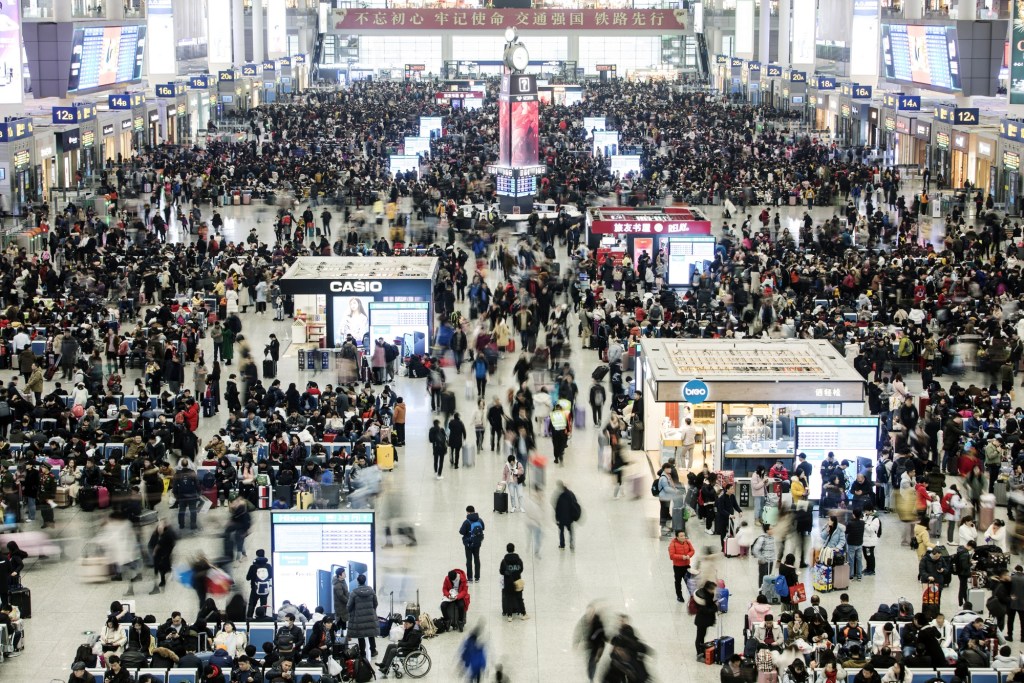
Photo credit: Bloomberg
Note that many Chinese people move around a lot. The Chinese National Bureau of Statistics reported that there were almost 300 million migrant workers in China in 2022.
Migrant workers usually stay in big cities, including the four Tier 1 cities (Beijing, Shanghai, Guangzhou and Shenzhen), as well as many others such as Chengdu, Hangzhou, Changsha, and Dongguan, because they can earn more money there.
After a whole year of working hard, people should head home and celebrate with their families.
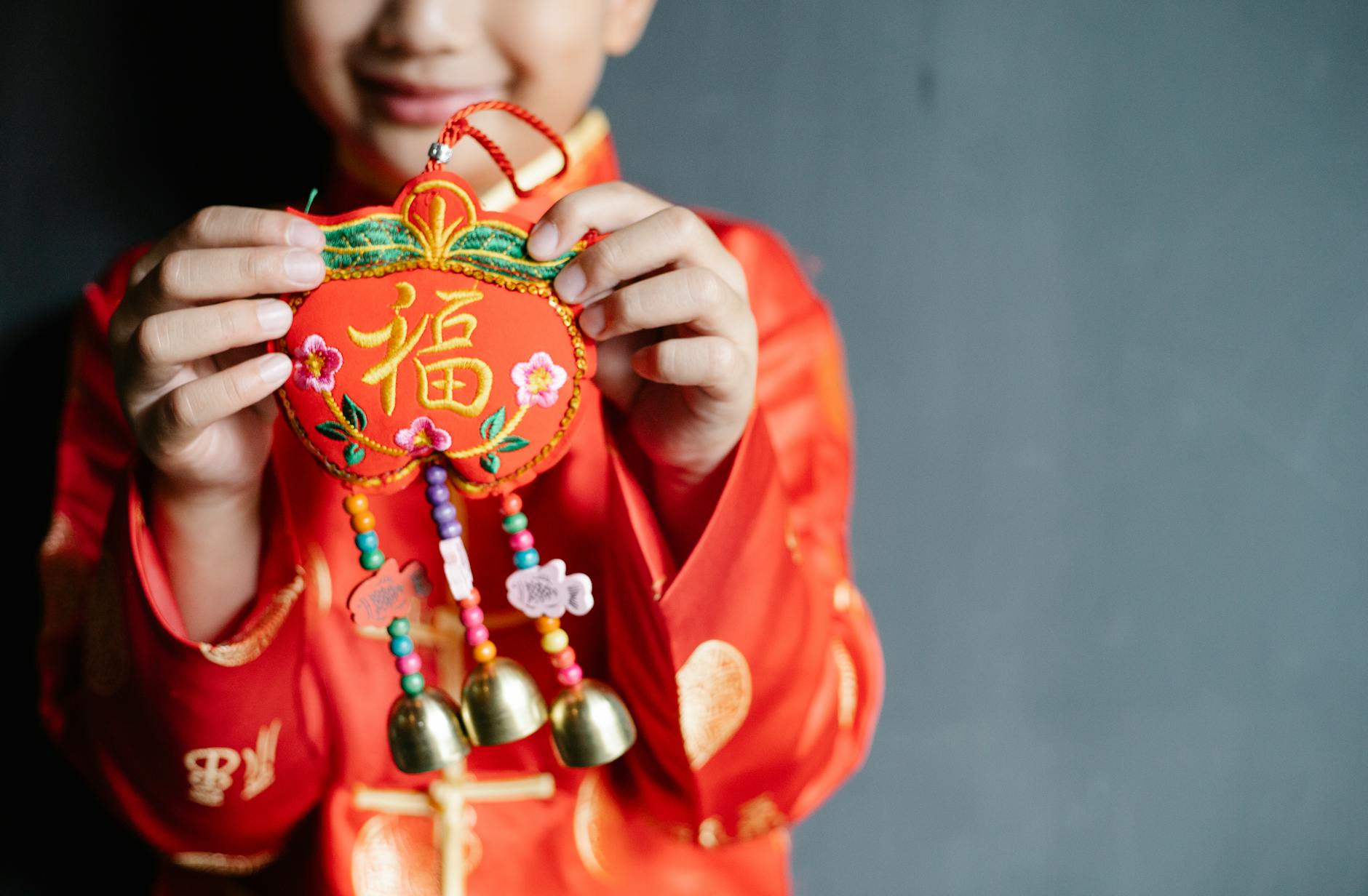
Besides staying at home, people visit their neighbors and relatives to share their best wishes.
Interestingly, more people choose to only spend time with their immediate family during Chinese New Year nowadays. Although Chinese New Year is a great time to show care for loved ones, it is also when people often gossip and compare things like income, relationship status, and how well kids are doing in school.
3. People eat a lot.
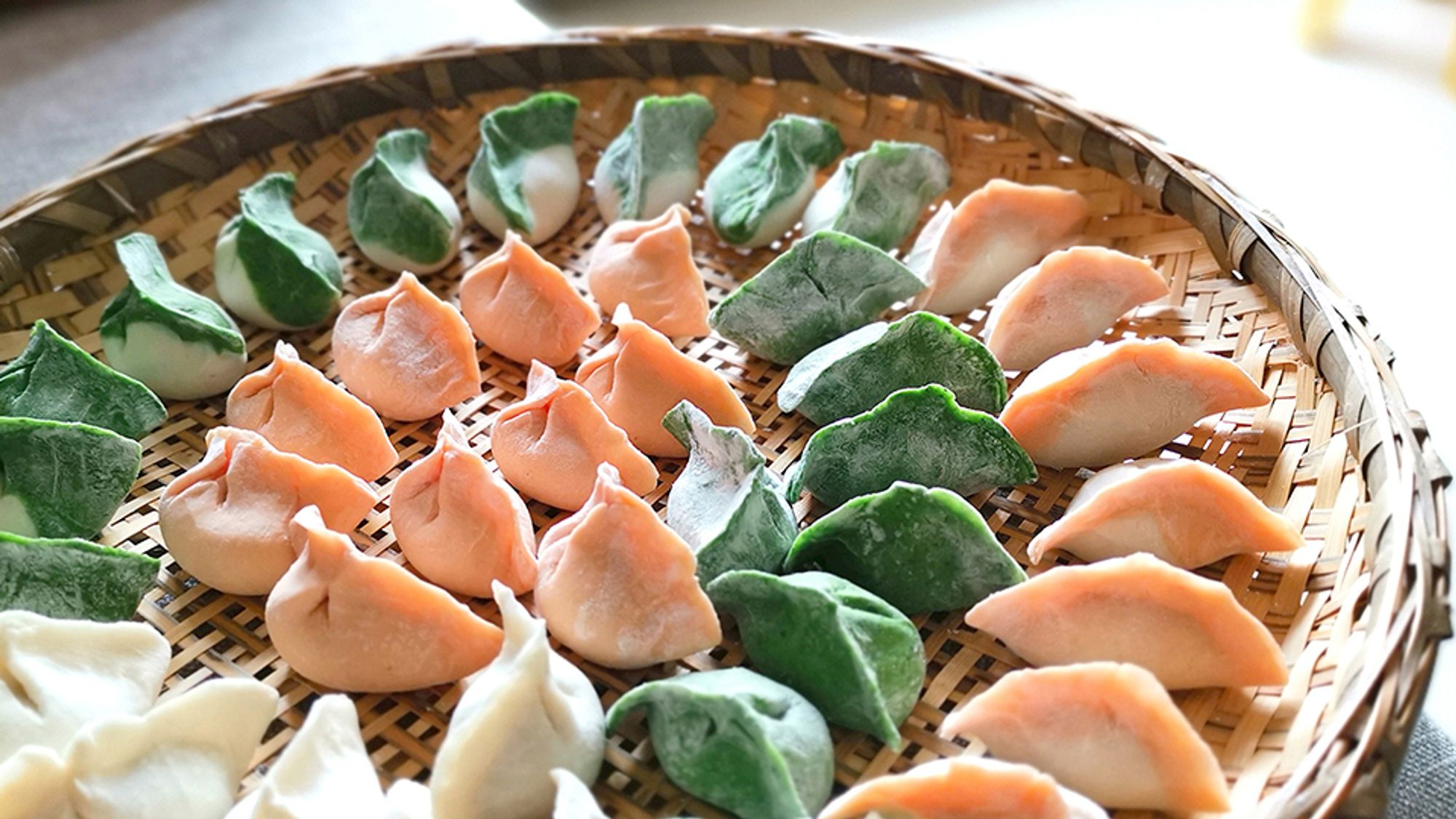
Photo credit: BBC
It is common for people to say they gain weight during Chinese New Year, simply because Chinese New Year is the best time to eat!
Dumplings/ “Jiaozi” – Dumplings look like money pouches and symbolize wealth and health. They are particularly popular in Northern China during the festival.
Sticky rice cakes – In Chinese, sticky rice cakes are called “year cakes”. They symbolize steady progress because the word “cake” sounds like the word for “height” in Chinese.
Sweet dumplings – These dumplings are different from “jiaozi” because they are round rice balls served in sweet soup. “Tangyuan” refers to sweet dumplings and also represents family togetherness and completeness.
Fish – Fish represents abundance because they have a similar pronunciation in Chinese.
Chicken – Chicken is especially popular in Guangdong, the province next to Hong Kong in Southern China. It represents luck, again because of similar pronunciations.
4. Everything is red.
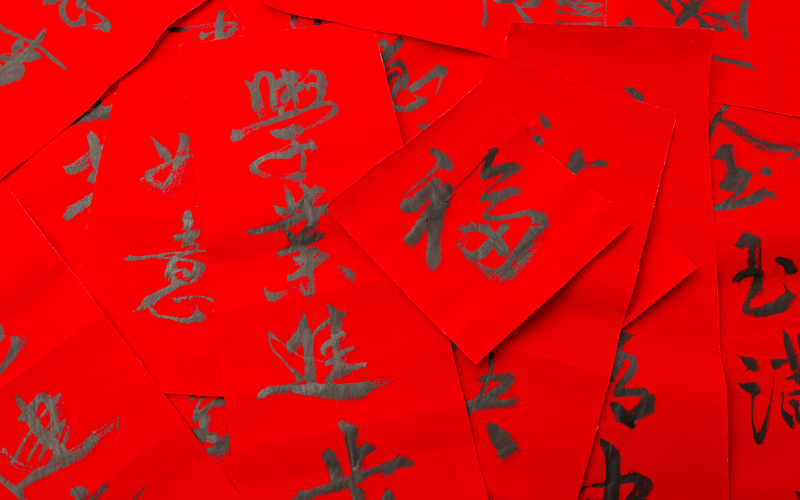
Photo credit: SFCVIC
In China, red symbolizes fire. It represents vitality and joy.
People wear red in Chinese New Year because it makes them look energetic.
People hang “fai chun” (papers with best wishes on red papers) at home for good luck to the household.
People decorate their homes with red flowers, symbolizing prosperity when the flowers bloom.
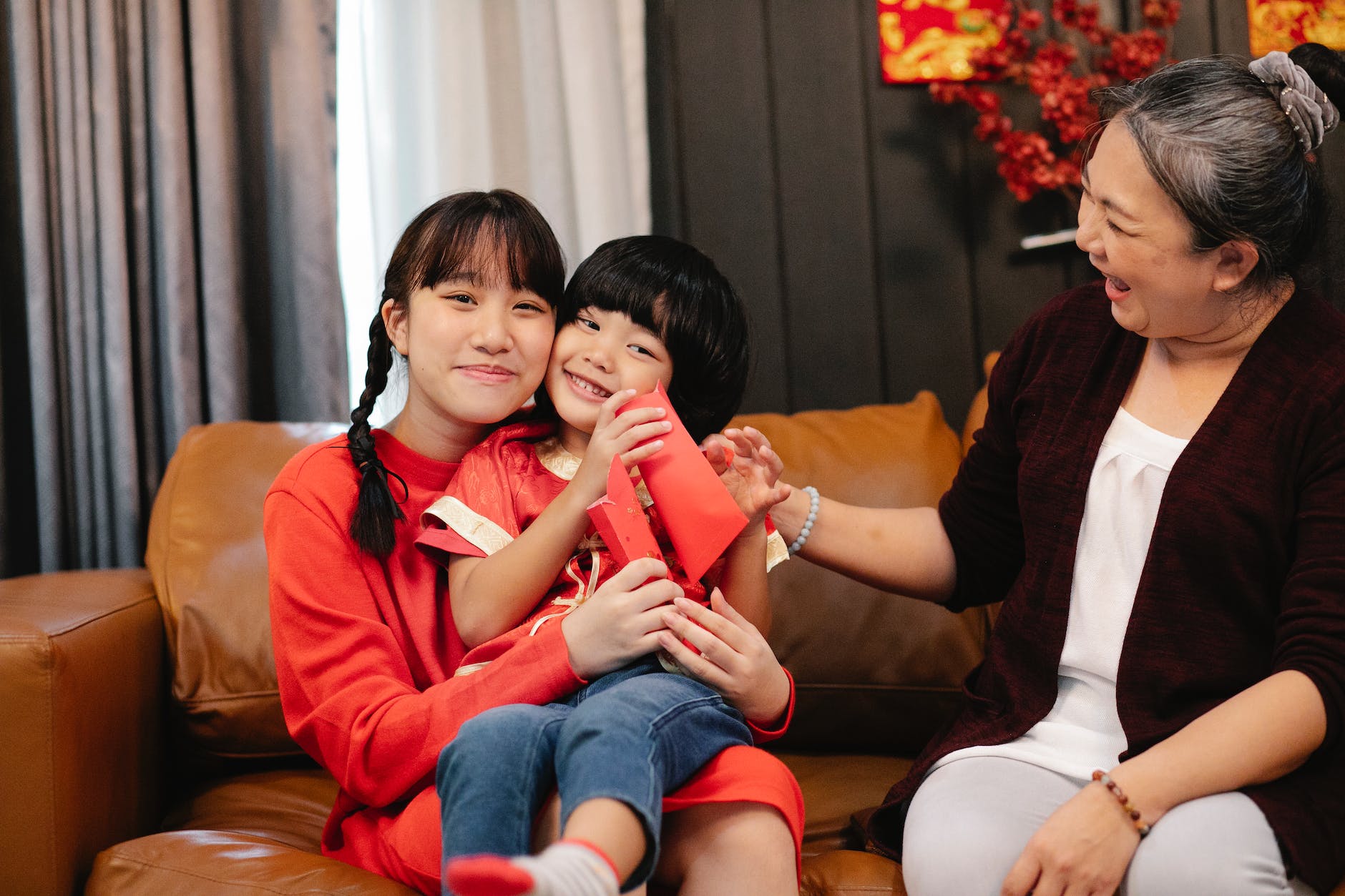
Adults give red packets, which are red envelopes with money, to kids because they believe they bring good luck. The amount of money put in the red packets varies in different regions, with some regions being particularly generous. Regardless, the main purpose is to send best wishes for the new year.
Remember, during Chinese New Year, avoid black, white or dark blue which are colors for funerals.
5. What else do people do during the holidays?
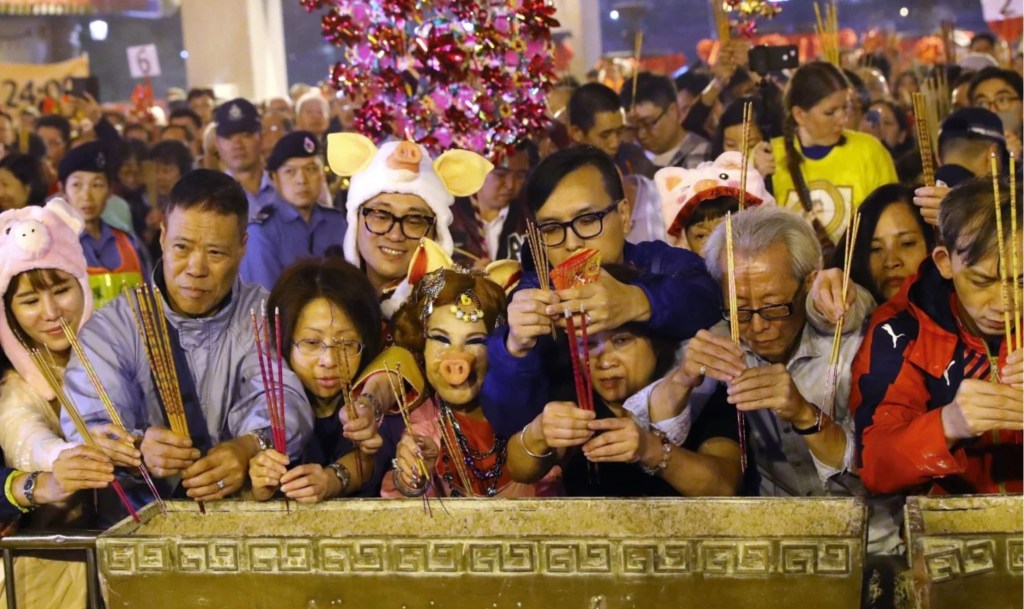
Photo credit: SCMP
People go to temples to thank God and their ancestors for a peaceful last year and ask for good luck in the new year.

People do lion dances and set off firecrackers to scare away evil spirits and bad luck. However, only in rural areas of China can people use firecrackers.
To conclude…
Chinese New Year is a great time for celebration.
But, have you ever thought about the deep meanings behind it?
Knowing these meanings is important when doing business with Chinese people. It helps you know what to say and what to avoid. Furthermore, it helps you understand what Chinese people believe and how they behave.
I will tell you more about my stories in Hong Kong and Mainland China later. Let me know if you wish to discuss more.
Vincent
 Vincent Kwong
Leave a comment