

When I launched my blog a few months ago, I wrote an article on luxury and indulgence. We discussed Maslow’s hierarchy of needs and concluded that aligning consumer desires and your brand identity is crucial.
Recently, I received several questions asking: How can we further classify our luxury consumers?
You should first ask yourself: Why do you use a luxury item?
- Is your goal to signal to others that you are using a luxury item?
- What aspect of the luxury item makes you happy? Is it something tangible or intangible?
- Do you want to be perceived as unique, or are you simply follow current trends?
Luxury consumers can be categorized into various groups.

Group 1: Nouveau Riche
These luxury consumers purchase luxury items primarily to display their wealth.
Consequently, they often choose luxury fashion items that prominently feature brand names and logos, making their status visible to others.
Yet, they typically do not discuss aspects such as the craftsmanship or history of the luxury brands, as they appear to have limited knowledge in these areas.
Additionally, they seldom share details about their experiences with these luxury items. It is important to note that their primary motivation for using luxury items is to show off, rather than deeply engage with or appreciate the products.
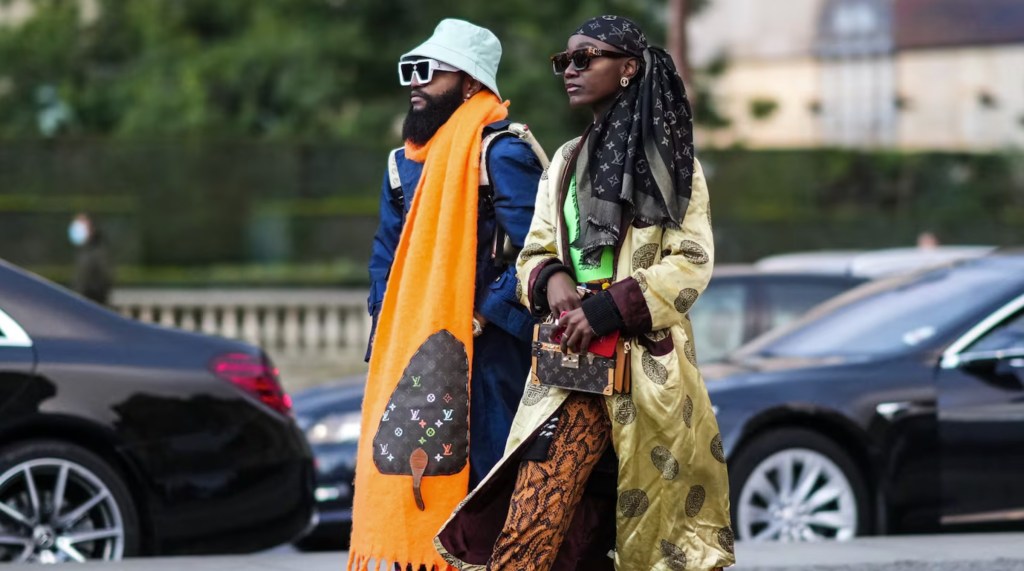
Group 2: Vanguards
Vanguards are trendsetters and innovators, known for their boldness and willingness to engage in activities that others may not dare to undertake.
Unlike the Nouveau Riche, Vanguards are less concerned about the opinions of those around them.
Although some may disagree with their choices, Vanguards are confident in their actions and believe in their correctness.
They have a preference for limited editions from mainstream luxury brands, as well as unique designer brands.
Vanguards aim to be influential, hoping that others will be inspired to emulate their pioneering choices.

Group 3: Knowledge Experts
Knowledge Experts are not interested in flaunting their wealth. Instead, they prefer to share their collections with those who have similar interests.
They are passionate about acquiring new knowledge and ideas, and they value the insights gained from their discovery journey.
Knowledge Experts are enthusiastic about explaining the craftsmanship of each watch they own.
If they have a penchant for whisky, they can provide detailed accounts of the history of various distilleries and the taste profiles of different whisky products.
Their choices and interests are significantly influenced by the peer groups to which they belong.

Group 4: Experience Ambassadors
Experience Ambassadors, much like Knowledge Experts, are explorers. However, their focus is on seeking delightful experiences rather than acquiring knowledge. They are enthusiastic about sharing these experiences with others.
They frequently search for new restaurants and eagerly share their dining experiences on Instagram.
When it comes to fashion, they prefer purchasing high-quality apparel made from materials such as silk and cashmere over items with prominent brand logos.
Experience Ambassadors are able to distinguish between the tastes and aromas of different coffee beans, whiskies, and cigars.
Experience Ambassadors look for multi-sensorial experiences that engage all their senses.

Group 5: Utilitarian Users
As implied by their name, Utilitarian Users are highly practical in their approach to luxury.
They may drive their Tesla to Costco, appreciating the vehicle’s large capacity for carrying numerous items.
They choose expensive wallets because of durability.
Their primary focus is on the functionality of the luxury products they select, rather than displaying their wealth. These consumers are pragmatic, seeking luxury items that serve practical purposes effectively.
To conclude…
Understanding your consumers is a crucial component when drafting your marketing plan or brainstorming campaign ideas.
Luxury is not solely about status. It can also encompass knowledge and experience. It can fulfill both functional and emotional needs.
A successful luxury brand clearly targets a specific group of luxury consumers, understanding their desires and expectations.
I would like to learn more about your experiences in luxury marketing. Let’s discuss.
Vincent
 Vincent Kwong
Leave a comment