

A few days ago, I was watching the English Premier League on TV when my child suddenly interrupted and asked me to play with a Batman toy. I treated him to his favorite Minions chocolate milk, hoping he could play with his toy independently.
This simple example illustrates the ubiquity of intellectual properties (IP), as it involves three distinct IPs: the English Premier League, Batman, and Minions.
So, a quick question: How do these IP owners gain revenues?
Besides content creation, licensing is a significant source of revenue for IP owners. Licensing allows licensees to use names, logos, and characters on the products they make, distribute, and sell.
The licensing business is massive. According to Licensing International, global retail sales of licensed products and services reached $356.5 billion in 2023, reflecting a 4.6% increase year-over-year!
So, what are the current trends in the licensing business?
1. Experiential Licensing
Consumers are increasingly seeking immersive experiences in retail environments. There has been a surge in location-based entertainment (LBE) globally: pop-up stores that enable people to interact with brands and IPs in real space and time.
Hasbro recently announced the MONOPOLY Tea Tour by Brigit’s Bakery, which offers an immersive, mobile afternoon tea experience aboard a classic Routemaster Bus. This tea tour will debut in London later this year. Meanwhile, Hasbro has planned to open a MONOPOLY Steakhouse in Mexico next year.
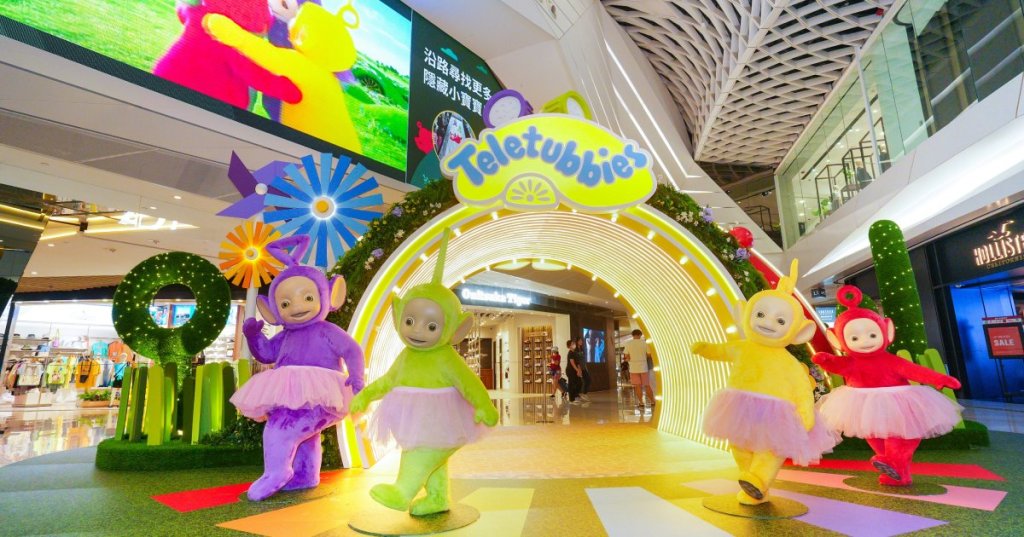
Meanwhile, the “House of Teletubbies” world tour, launched this summer, will continue through 2025, visiting Japan, Korea, China, the UK and the US. These pop-up stores feature a wide range of Teletubbies products, such as toys, stationery, and food and beverages.
2. New Technology
IP owners are investing in new technologies to engage their fandoms. With the rise of the metaverse, some companies are exploring augmented reality (AR) and virtual reality (VR).

At the Character Licensing Fair 2024 in Seoul this summer, a special “Virtual Characters” exhibit, which transformed attendees into 3D characters based on their appearance, attracted significant attention.
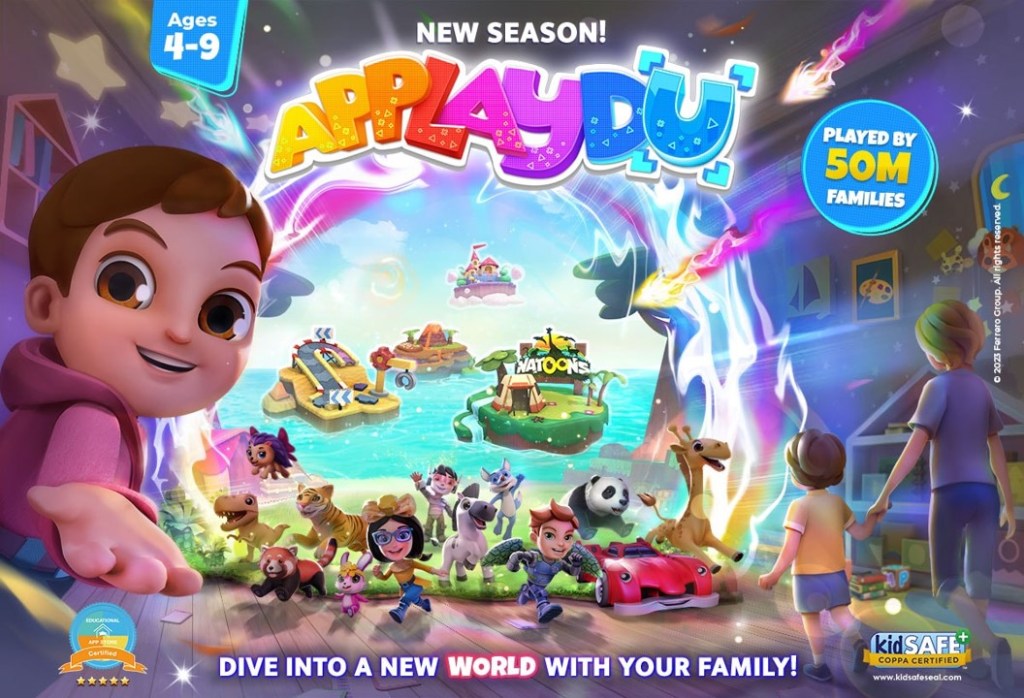
“Phygital” marketing, which blends physical and digital elements, has gained prominence this year. A notable example is Ferrero’s Applaydu mobile app, which uses AR to enhance Kinder Surprise toys with digital content, creating deeper engagement with children.
3. Nostalgia
There has been a notable resurgence of interest in classic IPs in recent years.
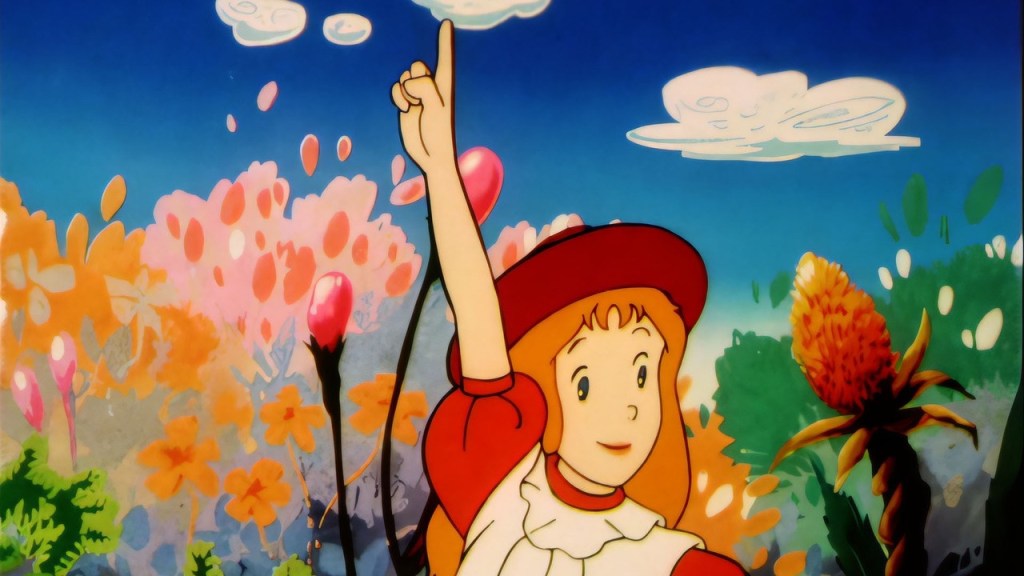
Studio 100 International recently announced plans to remaster classic TV series in Full HD. This includes titles like “Sinbad,” “Pinocchio,” “Alice in Wonderland,” “Anne of Green Gables,” “Nils Holgersson,” “Marco,” “Vic the Viking,” “Maya the Bee,” and “Heidi.” This initiative aims to evoke nostalgia among adults while attracting younger generations.

Additionally, fashion brand Alice and Olivia will launch a Beatles collection in November to celebrate the 60th anniversary of the band’s first US tour in 1964.
4. Art and Design
People are continually seeking ways to express themselves and showcase their tastes, making cultural licensing an essential part of the business. This includes collaborations with artists and museums.

For example, the Van Gogh Museum recently announced partnerships for new product collaborations. These include a special Shoe Palace x Van Gogh Museum collection featuring T-shirts, tops, knit fleece, pants, and outerwear inspired by Van Gogh’s masterpieces. Additionally, WonderFold x Van Gogh Museum wagon accessories, Secrid x Van Gogh Museum wallets and Just Dutch Dolls at the Van Gogh Museum are available.
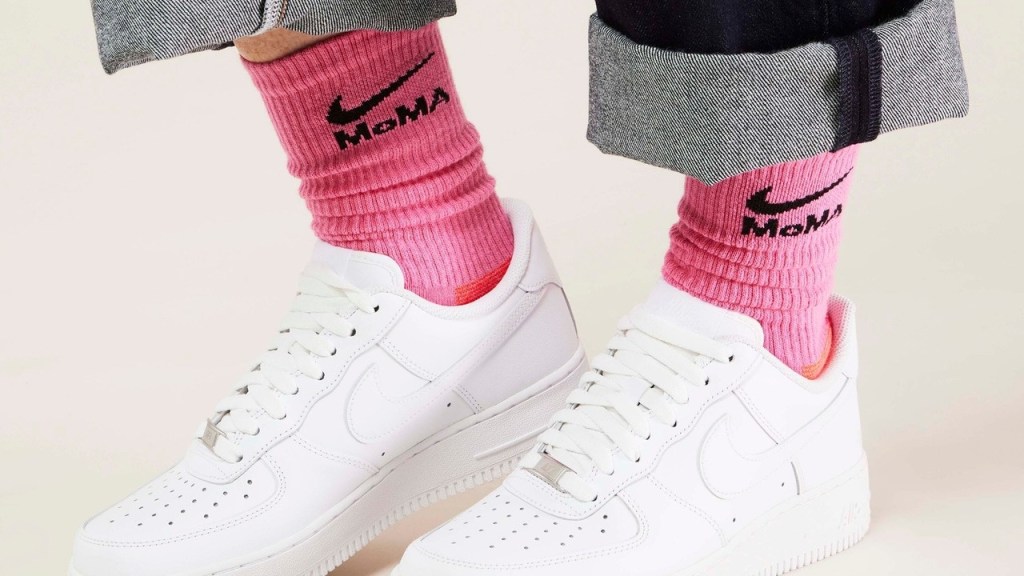
Meanwhile, the MoMA Design Store and Nike released a series of limited-edition co-branded products available at the MoMA Design Store and on its website in the US.
5. Fitness and Wellness
According to Statista, the global wellness market was valued at $6.26 trillion in 2023. Licensing International also reported that wellness accounts for 4% of global licensing sales revenue.
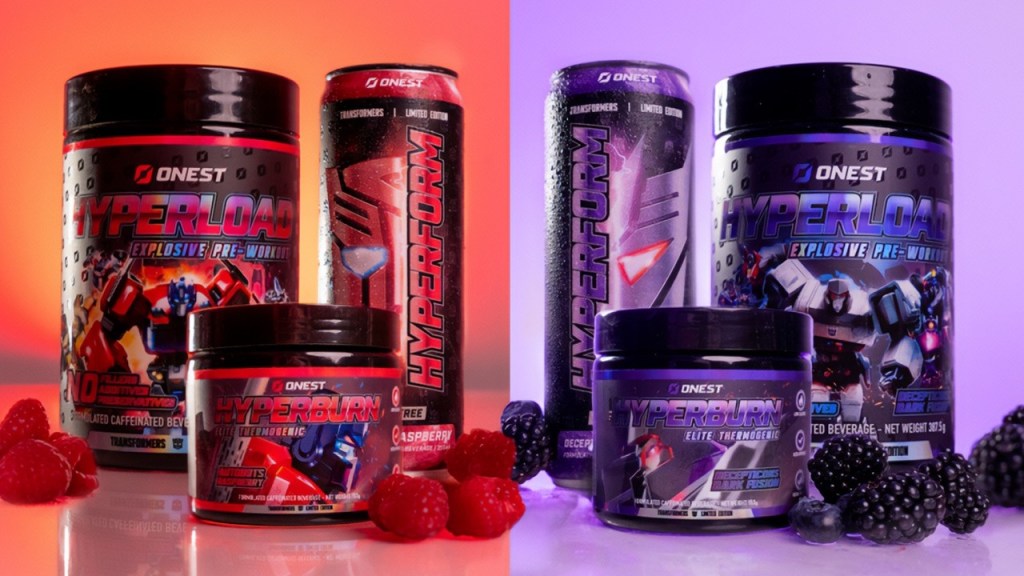
This August, Asembl announced a limited-edition “Transformers” line of health and fitness supplement flavors from Onest Health, available in Australia and the US.

Additionally, a collaboration between Del Monte and Disney featured characters from Disney’s “Inside Out 2” on Del Monte packages to promote healthy eating among children.
What has been your most enjoyable experience as a consumer using licensed products and services? Let me know!
Vincent
 Vincent Kwong
Leave a comment