
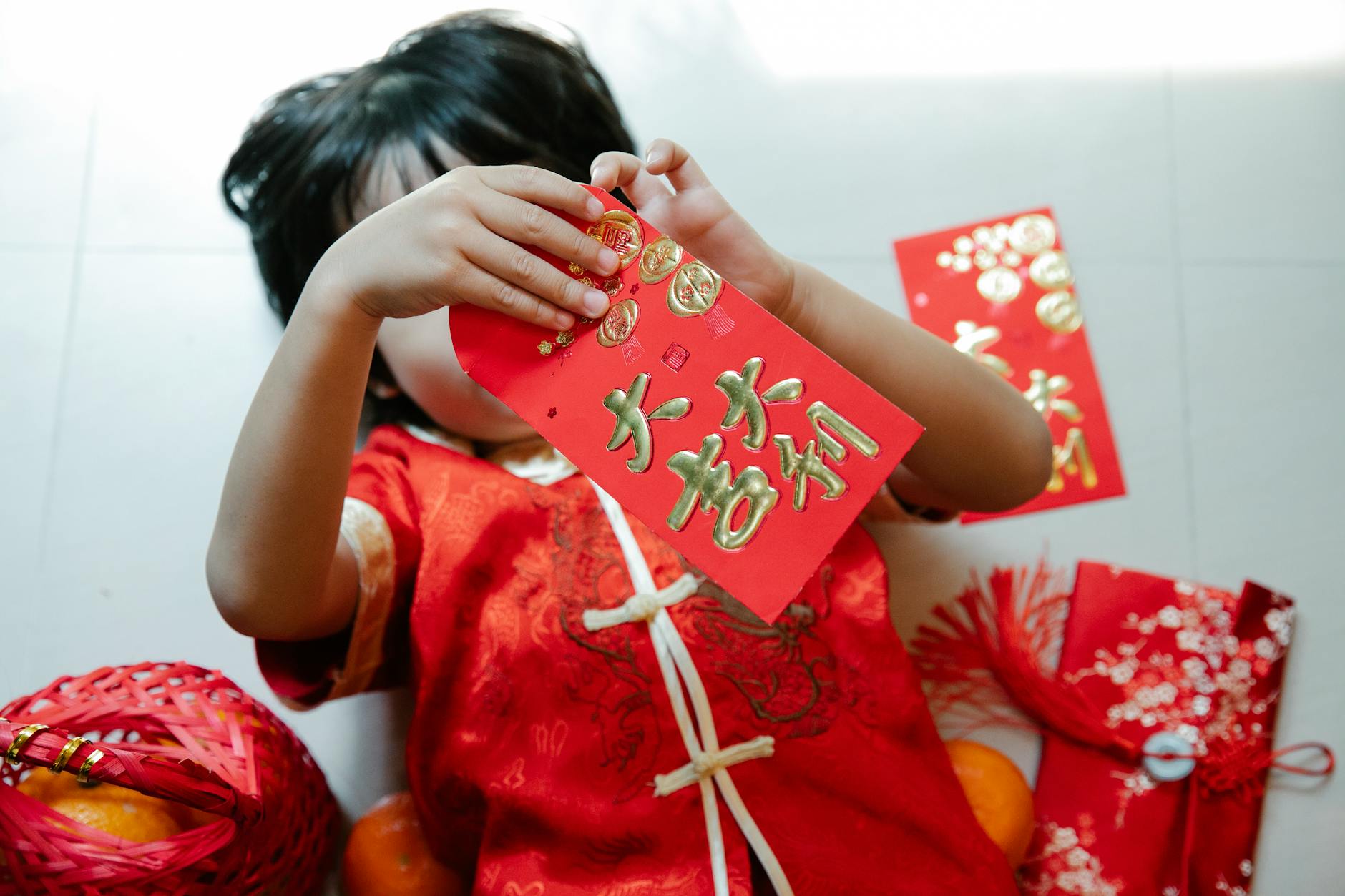
Lunar New Year is almost there again!
Last night, I was reminded of an article I once wrote about the joy of Lunar New Year, and it inspired me to write another piece today.
For those who celebrate, Lunar New Year is a time of reunion and celebration. It is a moment to leave the past year’s misfortunes behind and welcome good fortune ahead. It is also a rare opportunity for people to return home and reconnect with those they love.
It is widely seen as a season of joy.
But wait. Is joy the whole story?
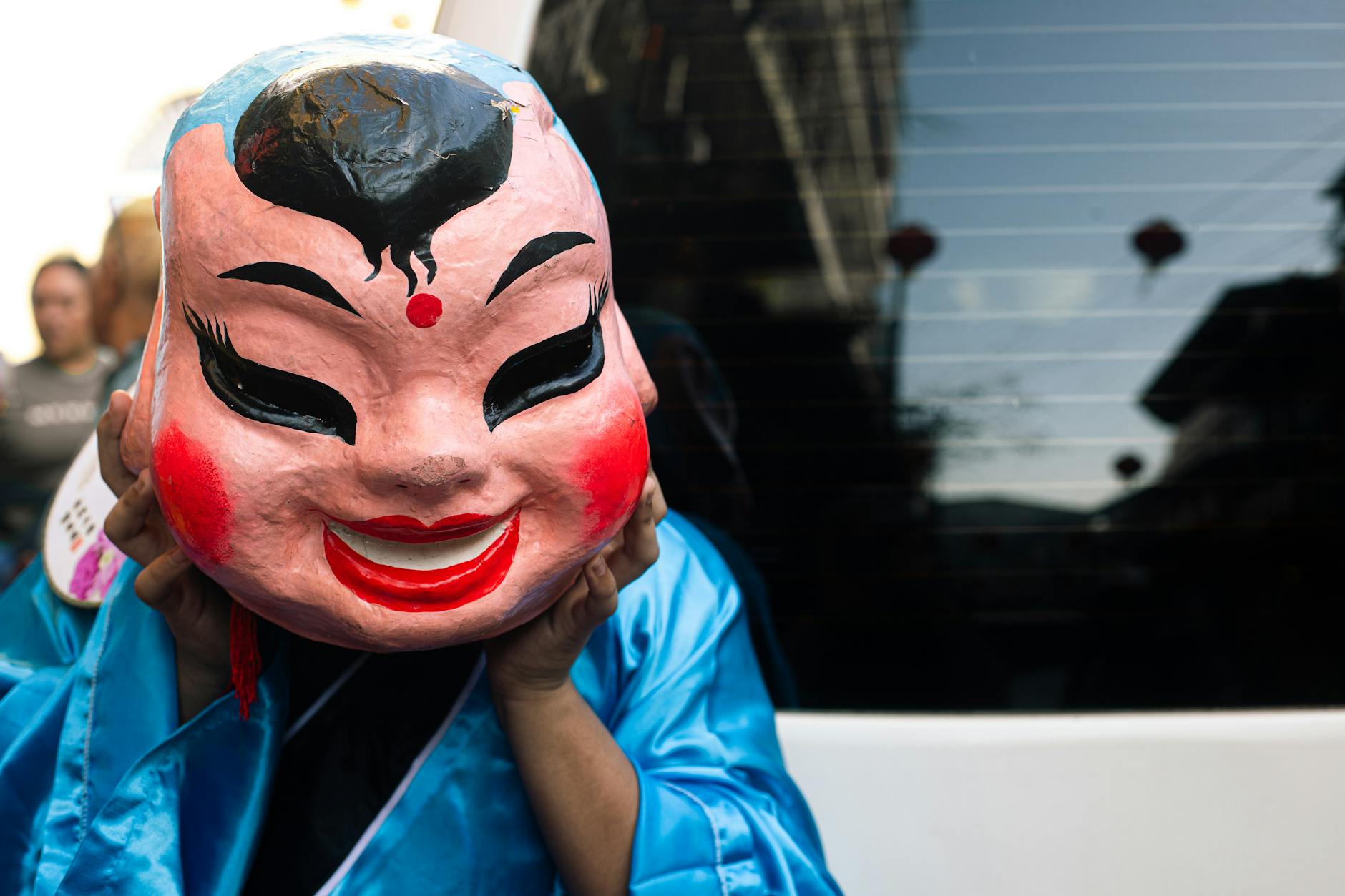
As I wrote in my previous article, in China, many people return to their hometowns to spend the festival with their families.
However, not everyone looks forward to this journey.
A quick search on Rednote (often described as the Chinese Instagram) reveals a very different side of the story…
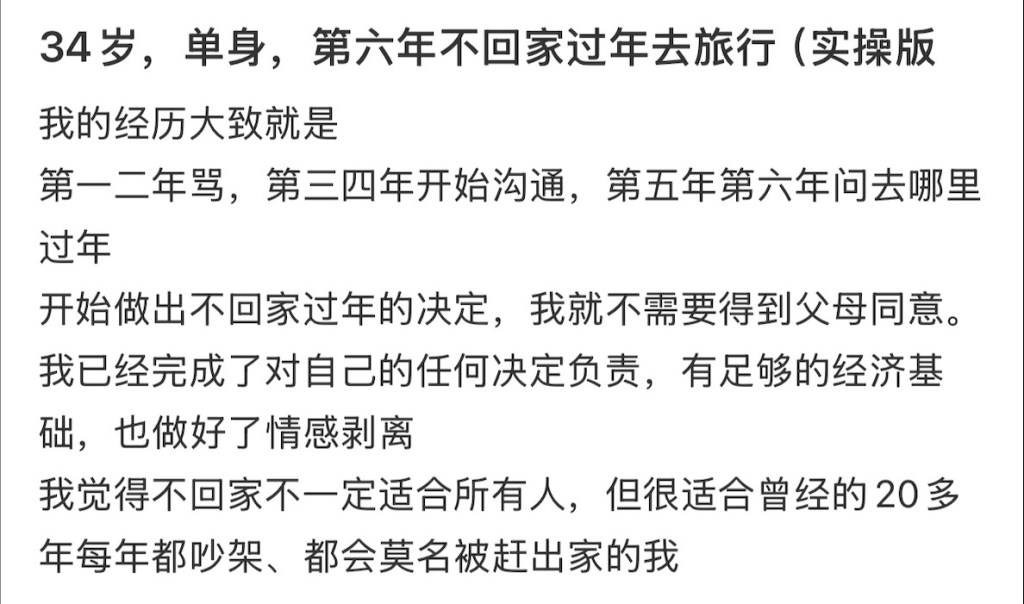
Translation: (by AI, with slight adjustments)
34 years old, single, and spending Lunar New Year away from home for the sixth year in a row (how I actually did it.)
Here’s roughly how it played out for me:
The first couple of years were all criticism and arguments. In years three and four, things shifted into negotiation. By years five and six, it became, “So where are you going for New Year this time?”
Once I made the decision not to go home for Lunar New Year, I didn’t feel the need to get my parents’ permission. I’m able to take full responsibility for my choices. I’m financially independent, and I’ve done the emotional work of distancing myself.
I don’t think skipping New Year at home is for everyone. But for someone like me, who spent more than 20 years arguing every single year, and who was practically forced out of the house every holiday, it works.
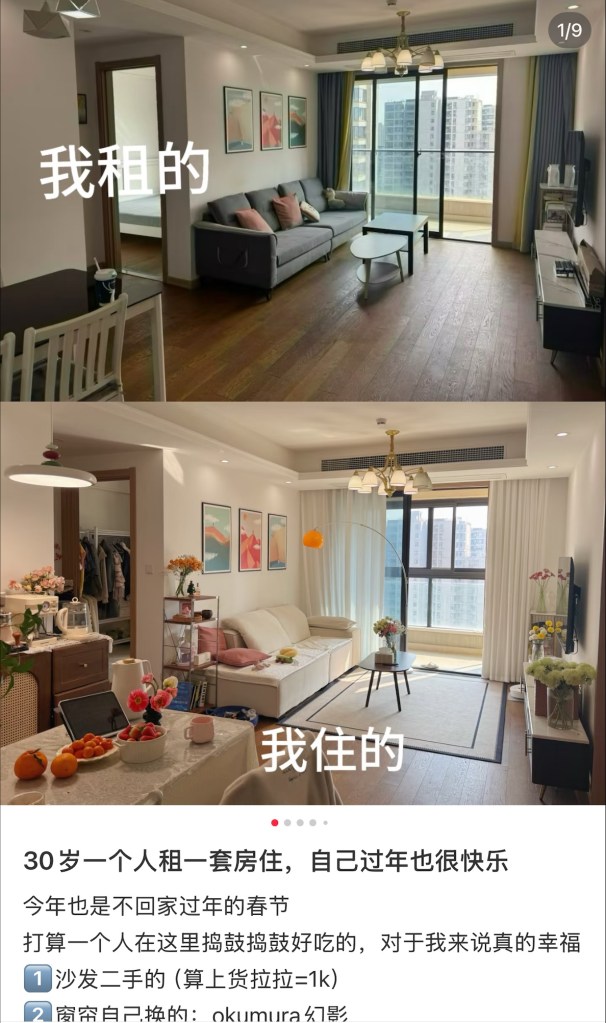
Translation: (by AI, with slight adjustments)
What I rented vs. What I lived
30 years old, living alone in a rented place, and spending New Year by myself is actually pretty joyful.
This year again, I’m not going home for Lunar New Year.
I’m planning to stay here alone, mess around, eat well, and enjoy myself. For me, this really is happiness.
1️⃣ The sofa is second-hand (basically a bargain find, about 1,000 RMB)
2️⃣ The curtains I replaced myself: Okumura Gen-ei (fantasy style)…
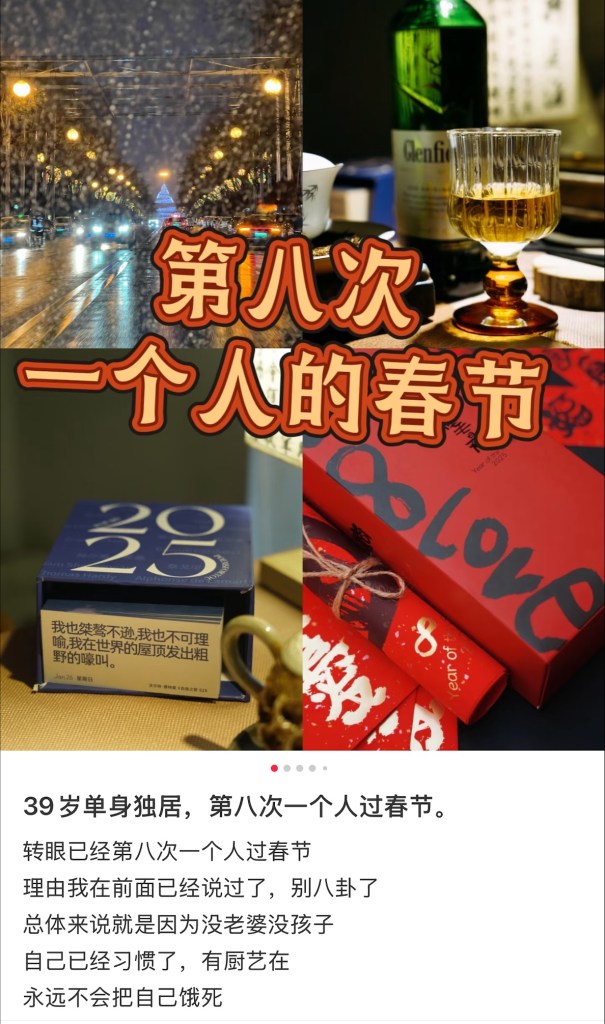
Translation: (by AI, with slight adjustments)
39 years old, single, living alone, and this is my eighth Lunar New Year spent by myself.
Before I knew it, it’s already the eighth time spending Spring Festival alone.
I’ve explained the reasons earlier, so I won’t repeat myself or invite gossip.
Bottom line: no wife, no kids.
I’m used to it by now. I can cook, so I’m never going to starve myself.
Mingling with neighbors (often little more than strangers) is never easy for many people, especially when conversations drift into sensitive topics.
“你买房没有? (Have you bought a property yet?)”
“有对象了没? (Have you got a boyfriend/ girlfriend yet?)”
“你结婚没有? (Have you got married yet?)”
“生小孩了没? (Have you got a kid yet?)”
“你赚多少呀? (How much do you make?)”
How can people refuse to answer all these questions when their neighbors finally say…
“我们也是为你好。 (We just care about you.)”
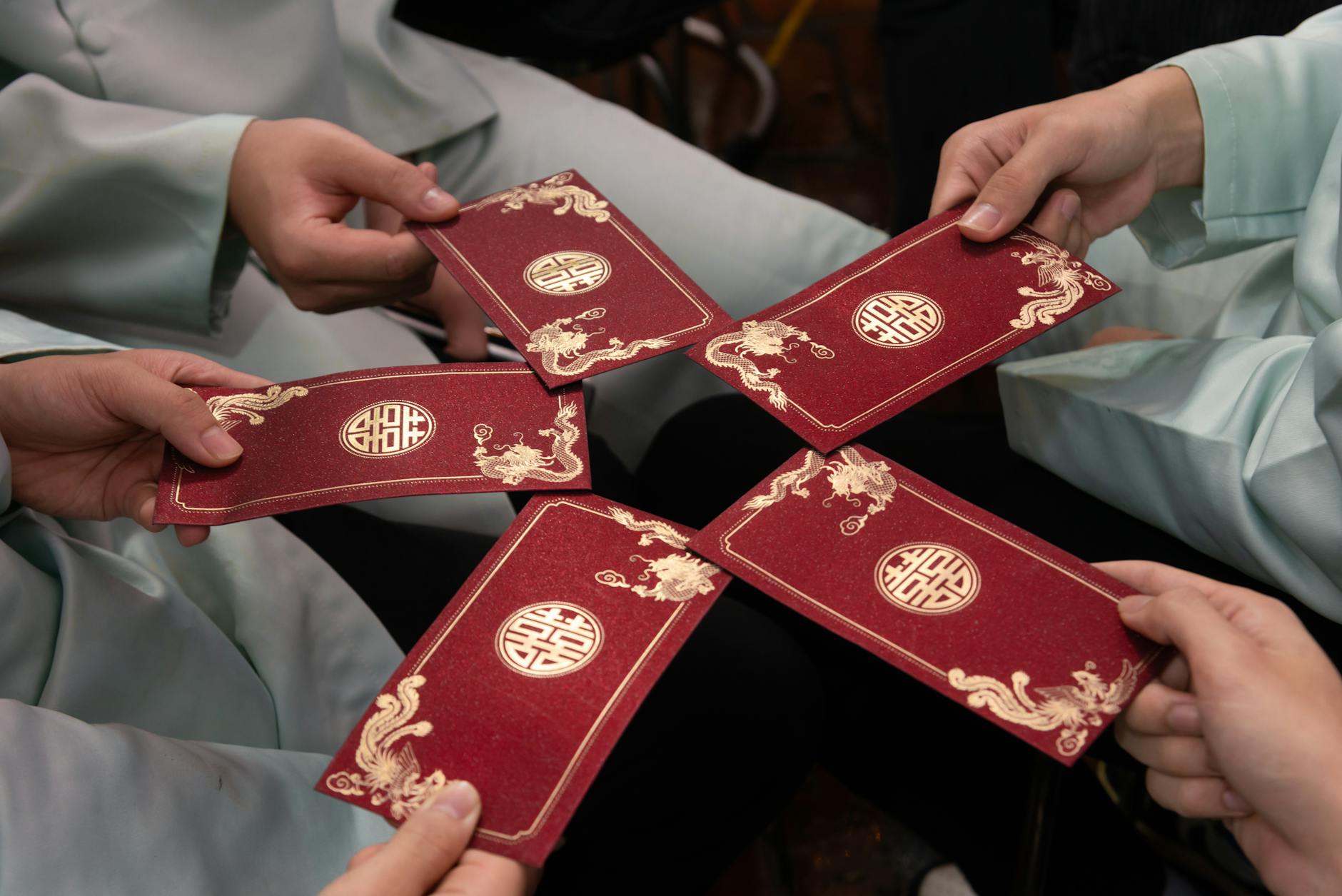
Red packets are another source of stress for some people. The pressure is not just financial. It is also about navigating social expectations.
- Who should receive a red packet?
- How much should each person get?
At its core, it is about finding a balance between decency and appropriateness: too little feels stingy, while too much seems wasteful.
Let’s see what people have to say…
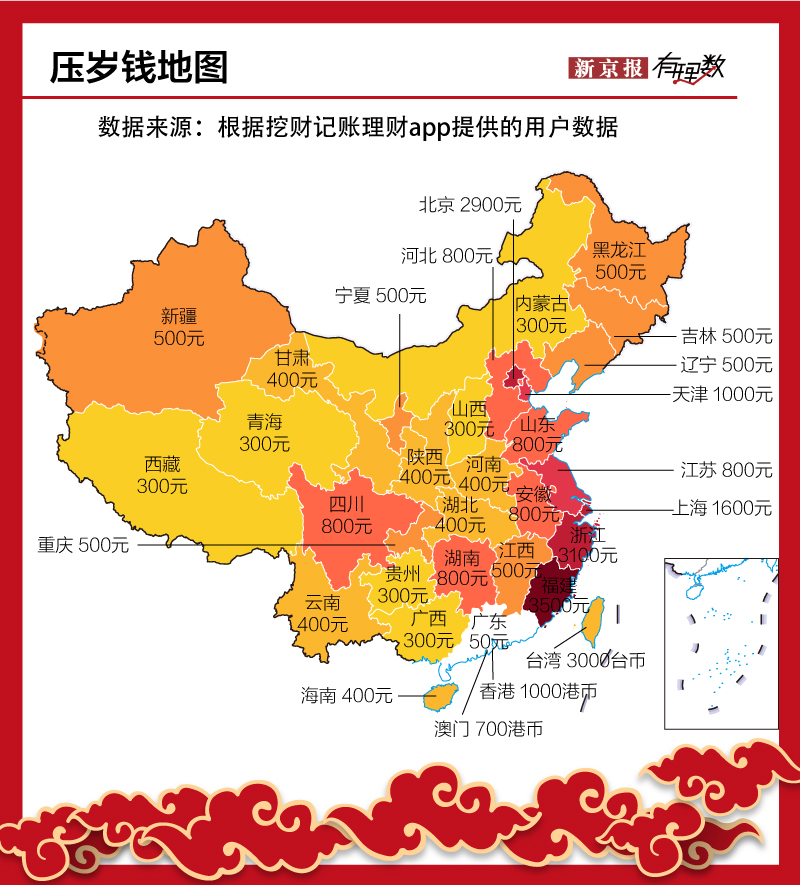
According to Wacai, a bookkeeping app, generosity during Lunar New Year varies by region: Fujian residents tend to give higher-value red packets, while people in neighboring Guangdong prioritize the blessing conveyed over the amount given.
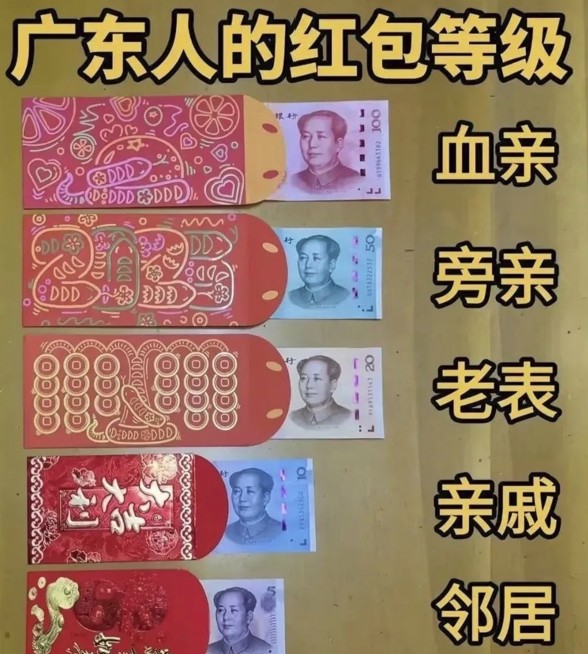
Zooming in on Guangdong, red packets are categorized into different tiers, with the amount varying by level of familiarity.
Beyond blessings, red packets can serve as a way to signal social status.
Every coin has two sides. While most people find an occasion joyful, it may seem challenging to a few.
When people talk about how joyful they are, there may still be underlying pain points. By observing their behaviors, understanding what truly makes them happy, and staying curious about what is happening around them, we may uncover meaningful insights.
P.S. Remember to check out the “Crying Horse” (哭哭马) in China, a toy horse plushie made by accident that has gone viral!
Vincent
I am Vincent Kwong, a seasoned consumer planner with nearly two decades of market research and business planning experience on both the agency and client sides. Currently, I am Director & Partner of Intuit Research, a research agency specializing in multi-country market research projects. Companies that I have served in my career include McDonald’s, Diageo, PepsiCo, Estee Lauder, Heineken, GSK, Pizza Hut, Lenovo and HSBC. I am also a part-time instructor at Schulich School of Business, York University in Canada.
 Vincent Kwong
Leave a comment