
Would you travel in a time machine if one actually existed? Possibly.
While I wait for a time machine to arrive, I can only relive my good old memories through my photos.
On February 18, 2005, I began my university exchange program at Shanghai Jiaotong University. As a second-year student, my objective was simple: to learn Mandarin Chinese.
Wow! I can’t believe it has been 20 years!
My university exchange program was an incredibly valuable experience.
To celebrate this milestone, I decided to revisit the photos I took 20 years ago.
Low resolution, but full of fond memories.
So, what was Shanghai (and the other cities I visited) like in 2005? What would we see if we traveled back in time?
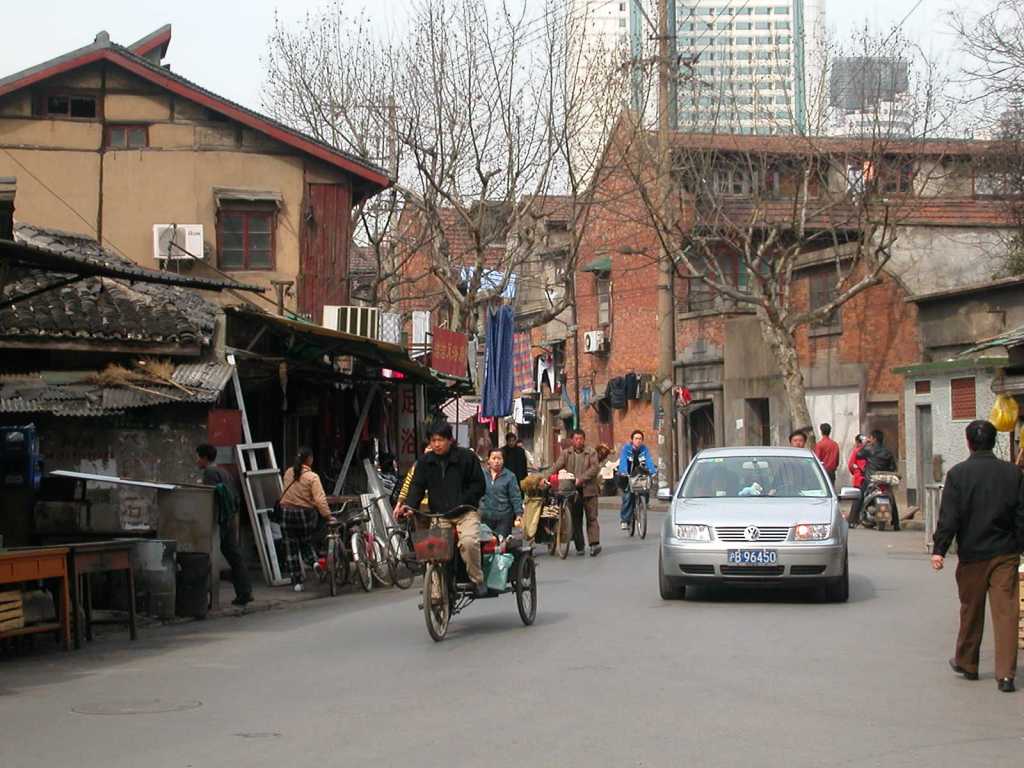
Back in 2005, we could see so many longtang (弄堂). Over the past 20 years, quite a few have been demolished, especially in Hongkou District. I’m quite certain the buildings in this photo have also been torn down.
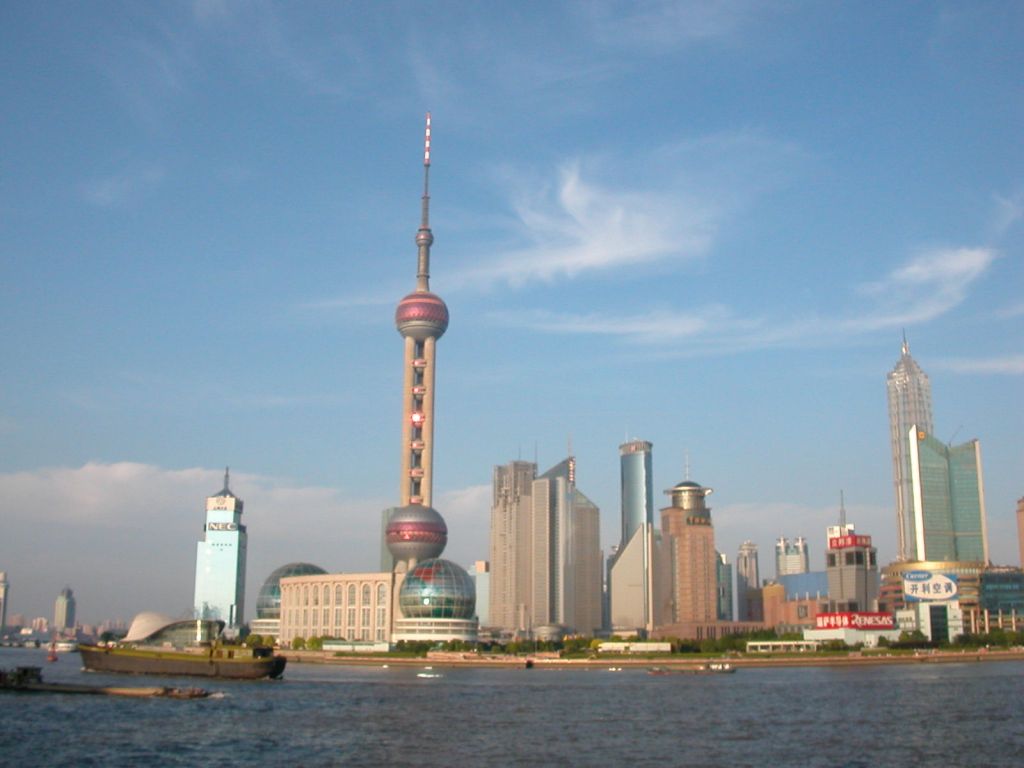
The development of the Financial District in Pudong District was still underway back then. Now, take a look at the latest photo of the area. We might be amazed by the skyline across the Huangpu River.

Old men used to set up stalls in the neighborhood to repair leather shoes and handbags.
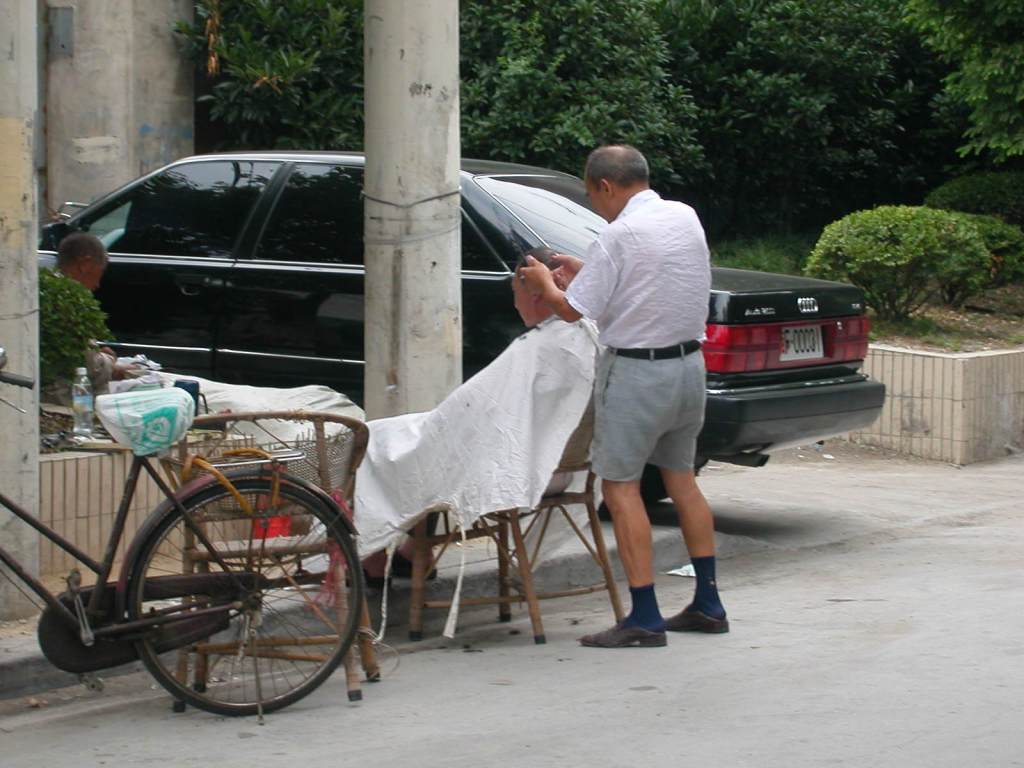
Barbers also served their customers on the street.
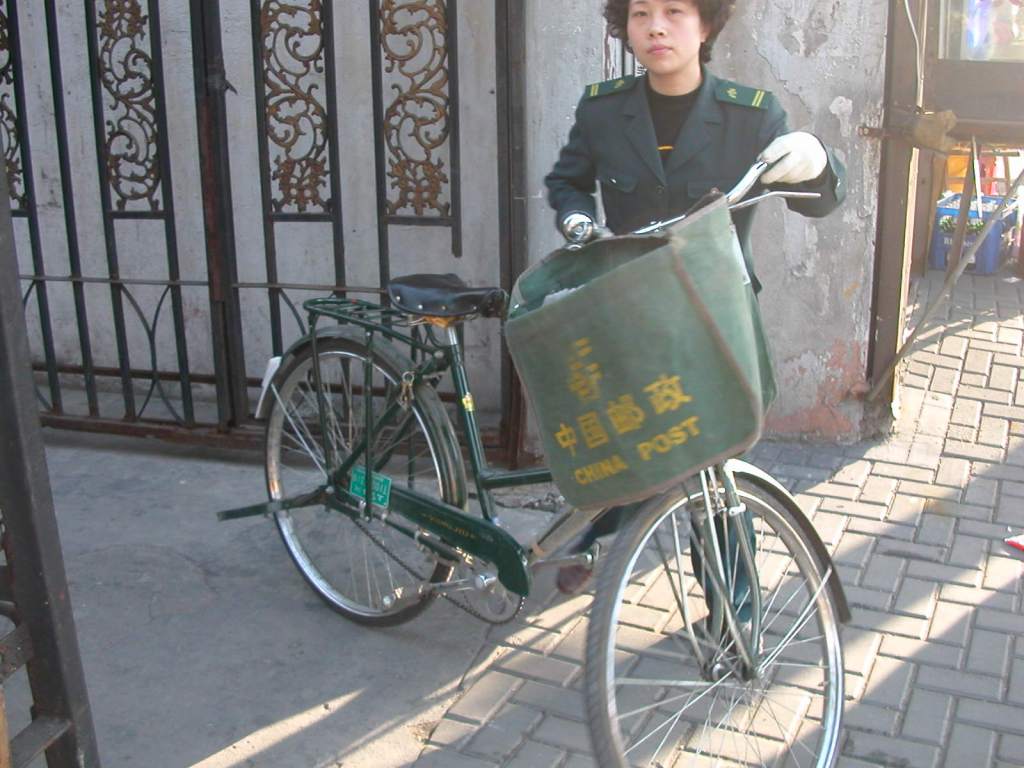
Occasionally, we would see China Post bikes passing through the neighborhood. Over the past two decades, many Chinese delivery and logistics companies, such as SF Express and YTO Express, have emerged. The rise of digital commerce has created numerous business opportunities for these new industry leaders.

There used to be milkmen in Shanghai every morning as well. But with the convenience of modern grocery shopping — just look at how Freshippo operates in this YouTube video — milkmen and milk boxes have become a thing of the past.
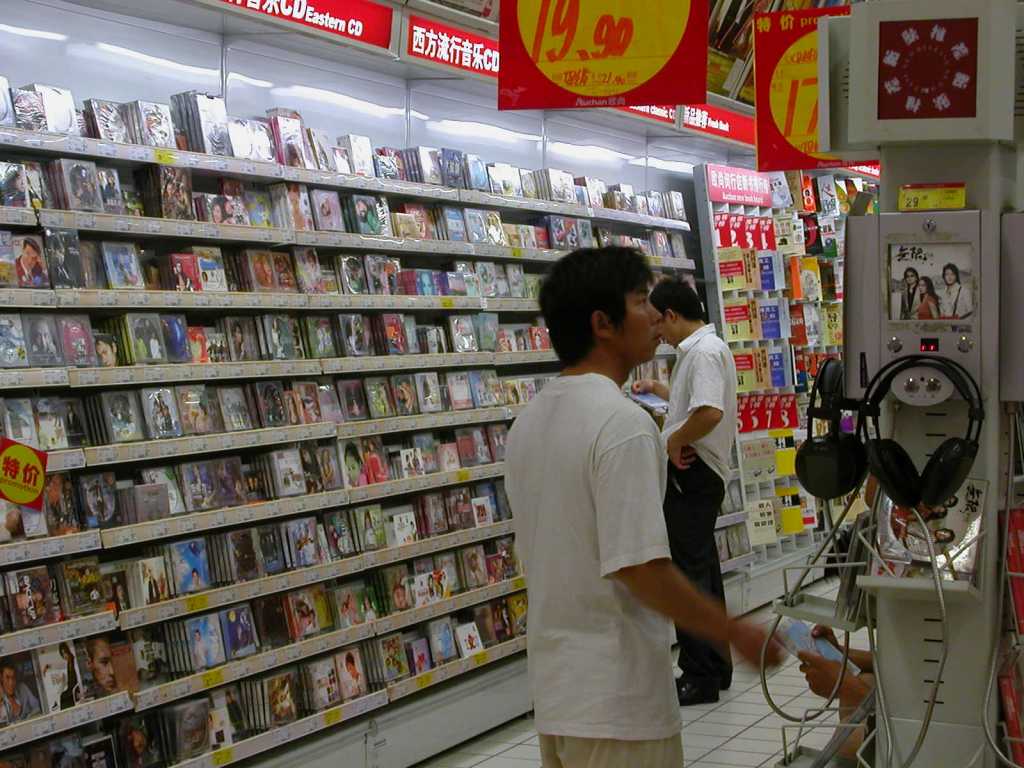
I used to love browsing through records and listening to samples in the hypermarket. Even though I now use Spotify and Apple Music, I still keep my 2005 CD collection.

Look at the bustling Jing’an District. Taxis were everywhere back then. People would either hail them on the street or call the taxi company’s hotline for a pickup. Now, local ridesharing services like Didi are widespread. You can even choose your ridesharing provider directly on Gaode Map (高德地图)!
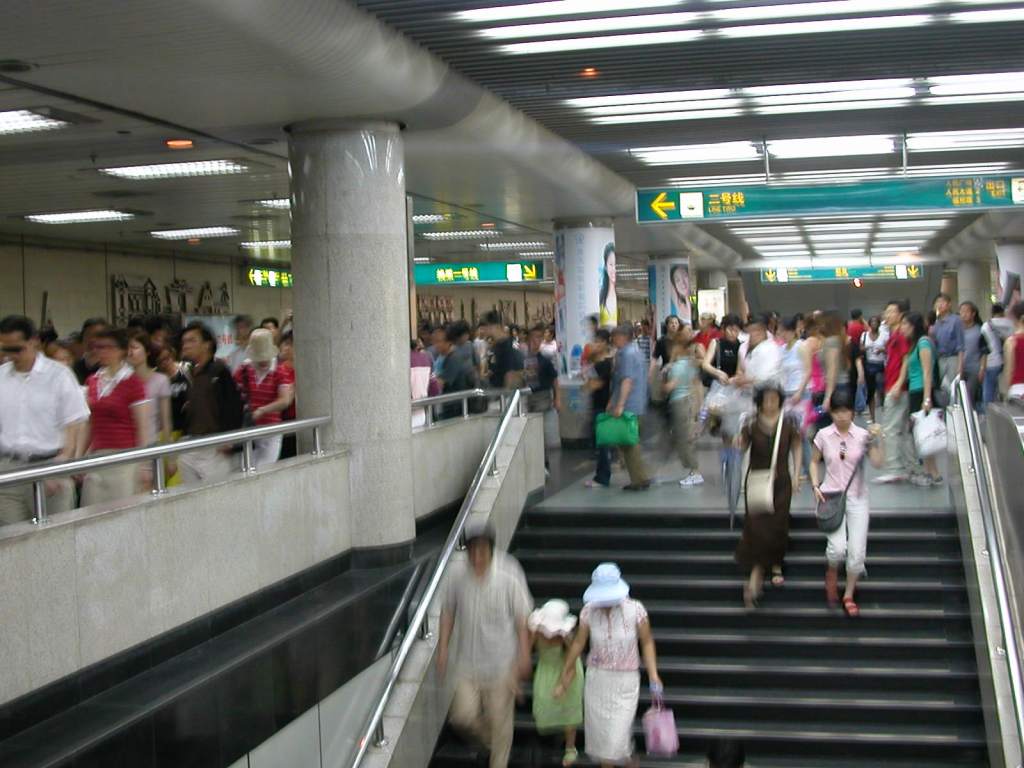
The Shanghai Metro is one of the busiest metro systems in Mainland China. Over the past 20 years, it has grown from 4 lines to 18, and its expansion is still ongoing! We’re all impressed by its China Speed.
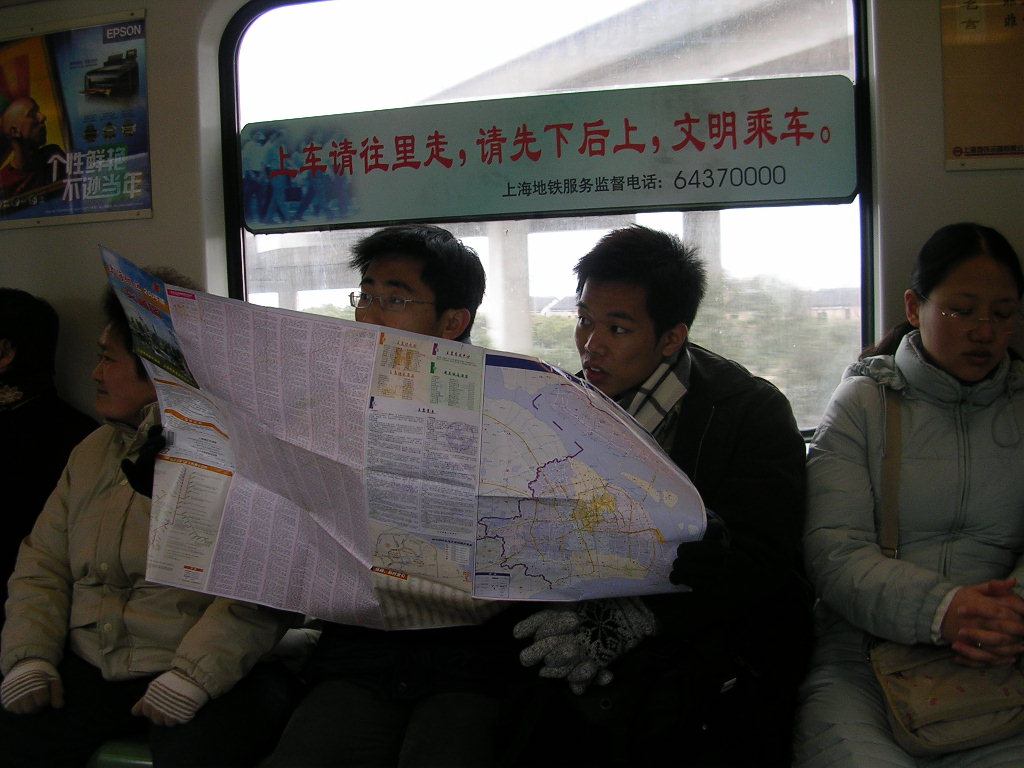
Whenever I traveled alone or with friends, I always brought my paper map!

We were about to pay our travel agent for our trip during Golden Week, starting from May 1, and it required a lot of cash! Mainland China has mostly gone cashless now, with people simply paying using Alipay or WeChat Pay.

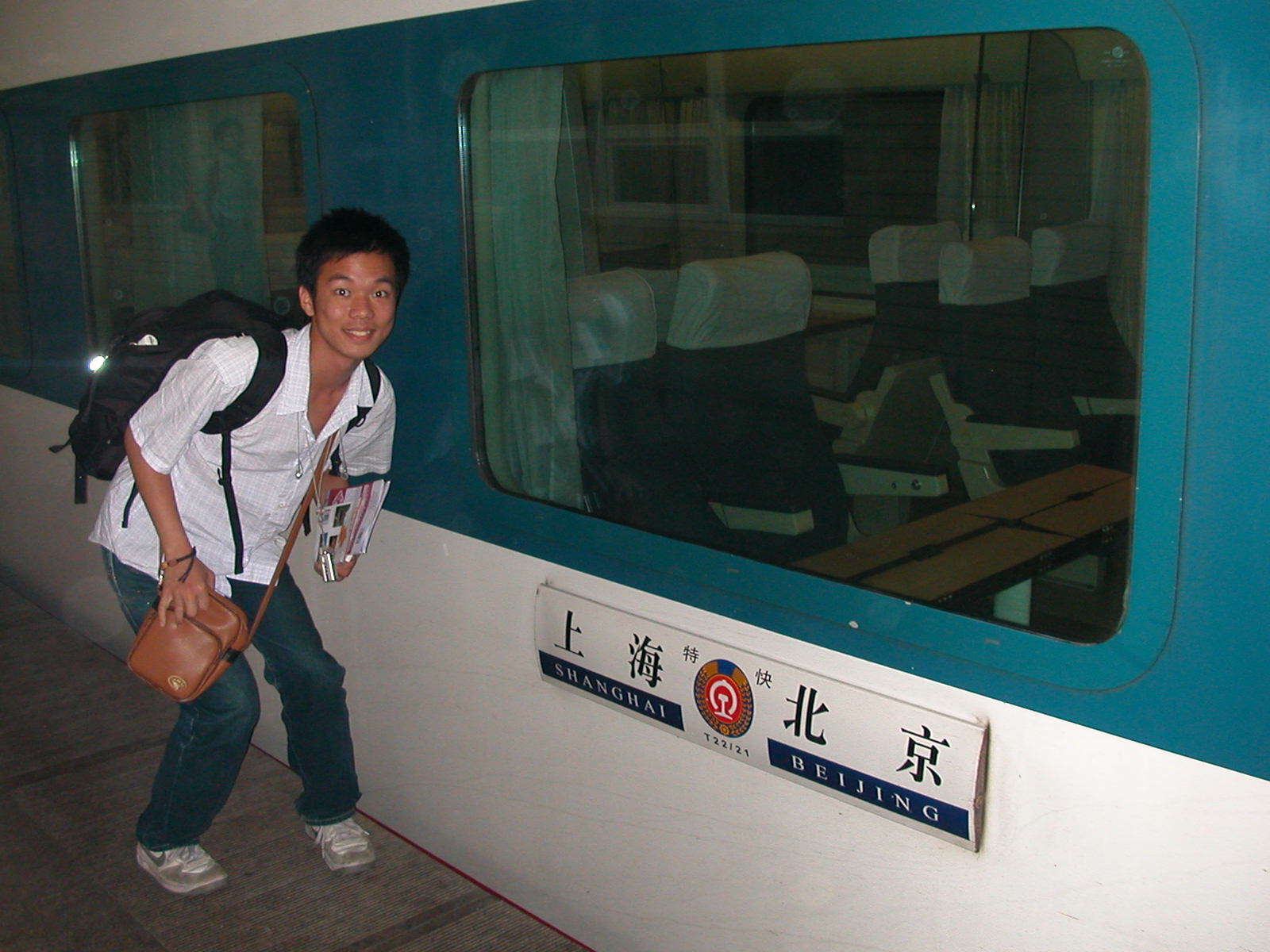
In 2005, train stations were usually small and overcrowded, and the trains were slow. Since I completed my university exchange program, Mainland China has been constructing an extensive high-speed railway network, replacing old trains and building new stations. In just two decades, China has become one of the countries with the most advanced railway networks.
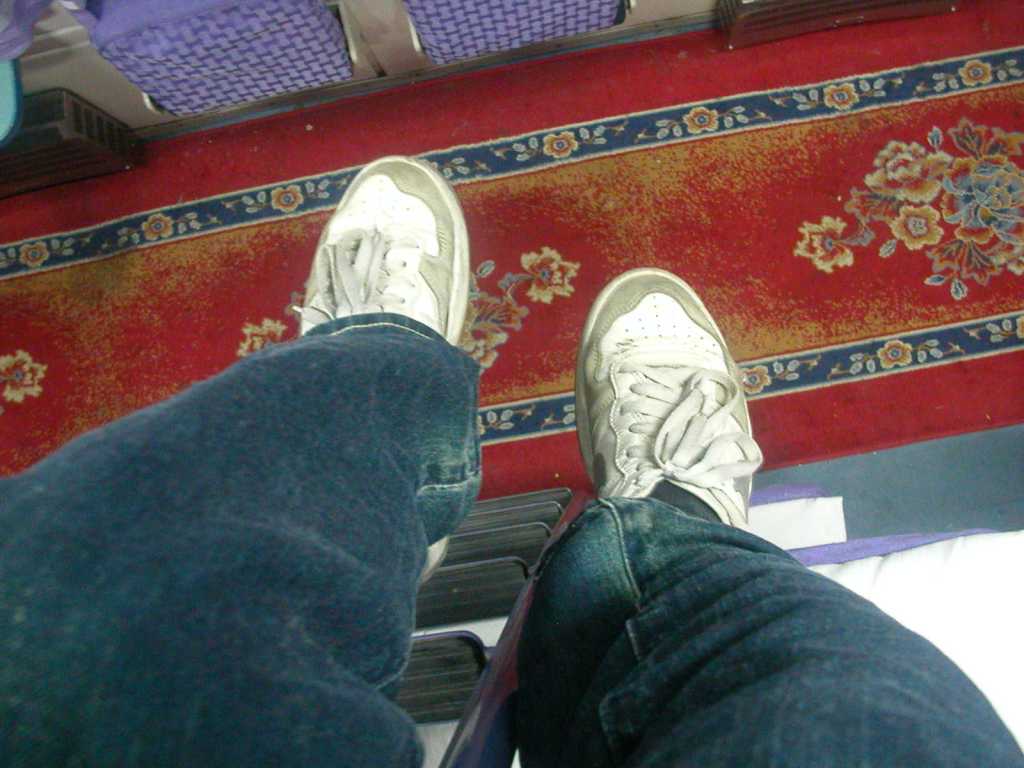
We would stay in the sleeper berth if we traveled a long distance by train.

If we traveled in groups, all the guys would share the room! We were students back then with limited budgets.
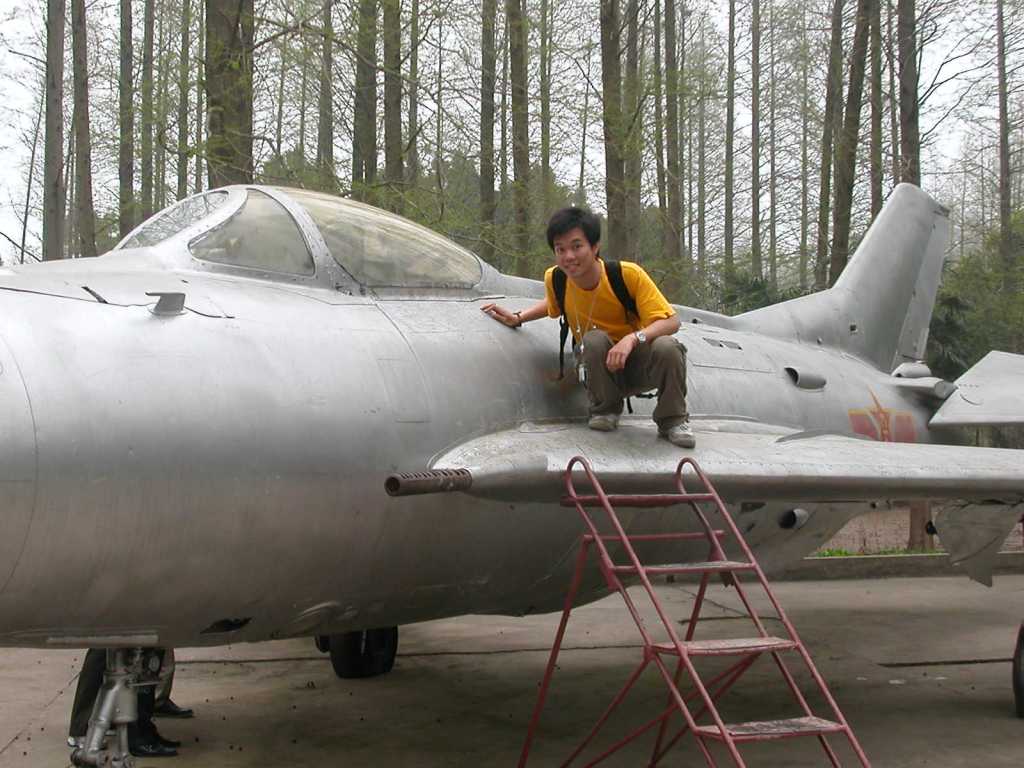
I spotted a military aircraft on an outlying island near Shanghai.
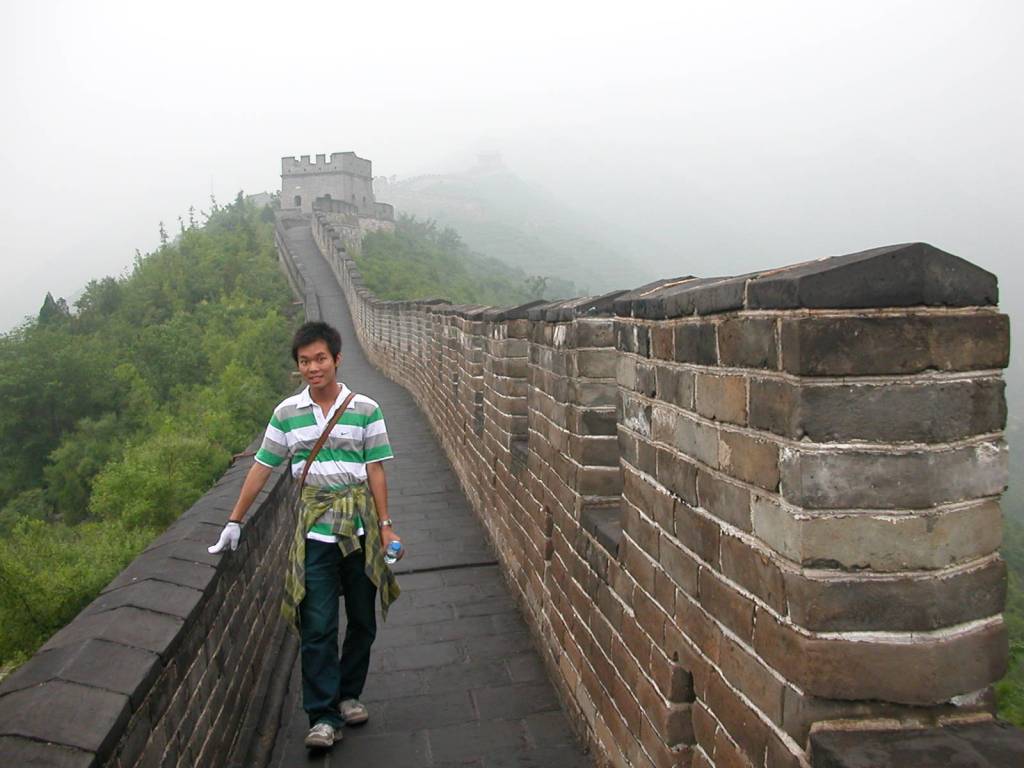
I visited the Great Wall in Beijing.
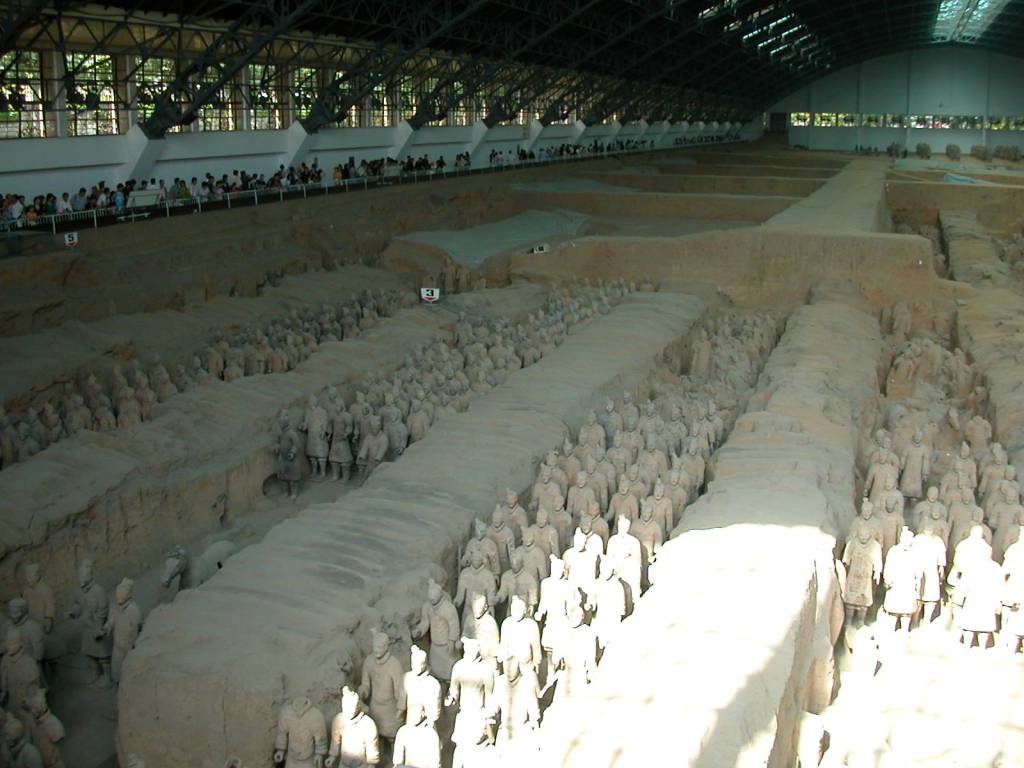
And the Terracotta Army in Xi’an!
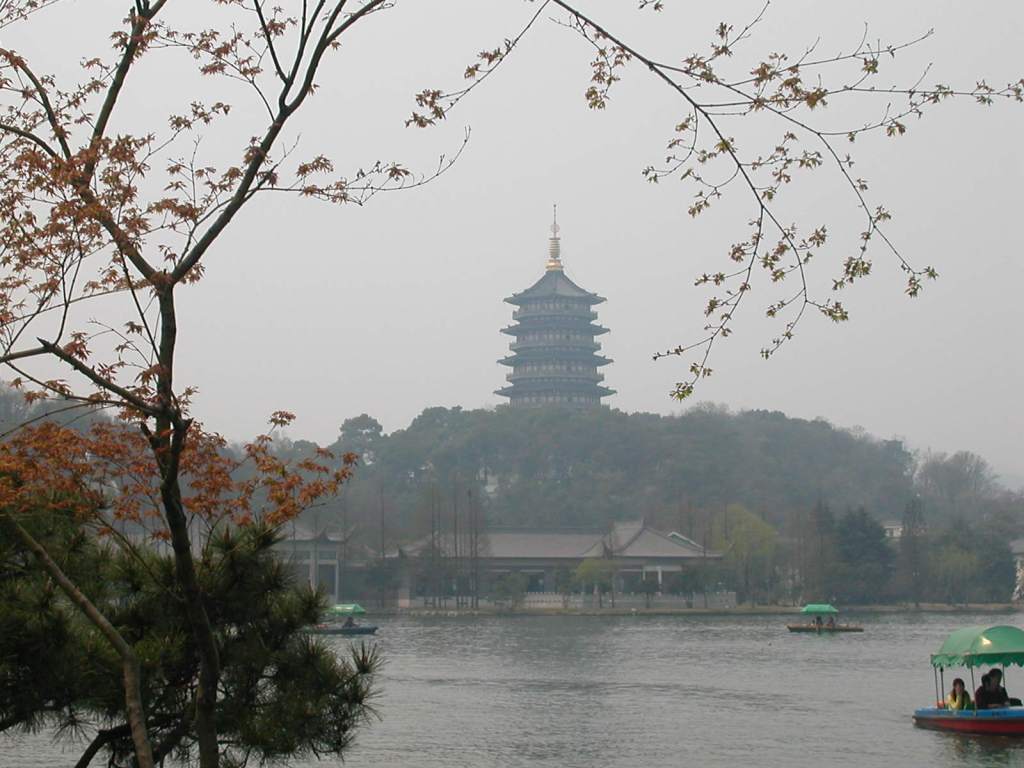
Hangzhou was once most famous for its West Lake. Now, I’m sure many of us think of Alibaba, the digital commerce giant, when we hear about the city instead.
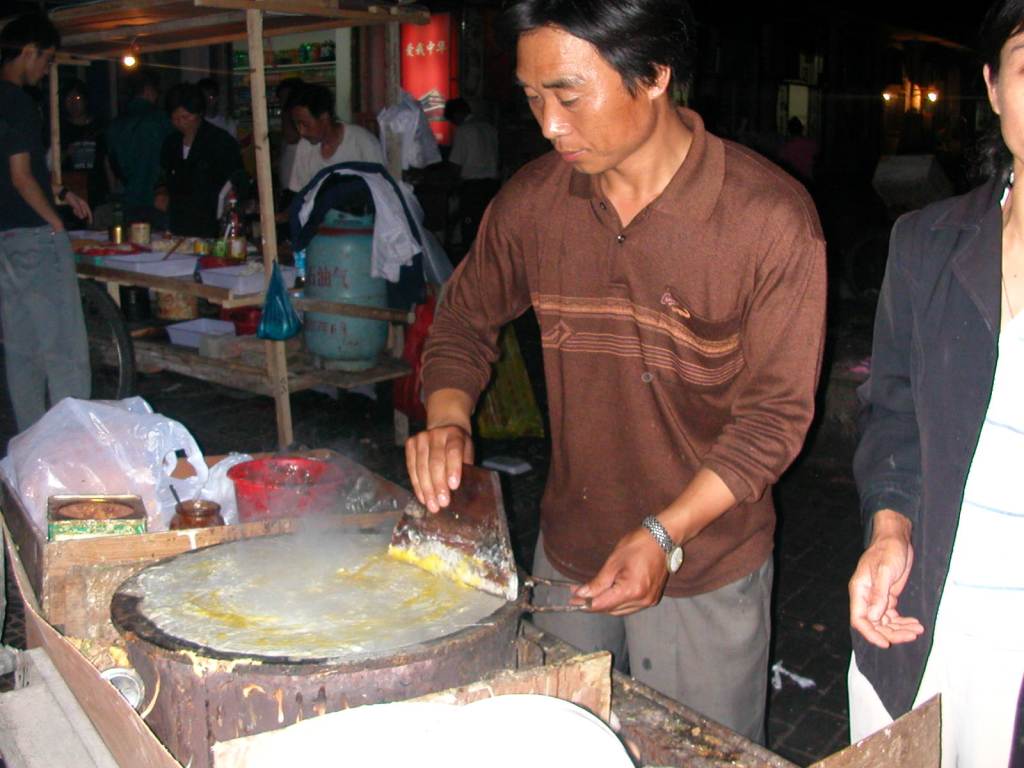
Who could resist the temptation of street food?
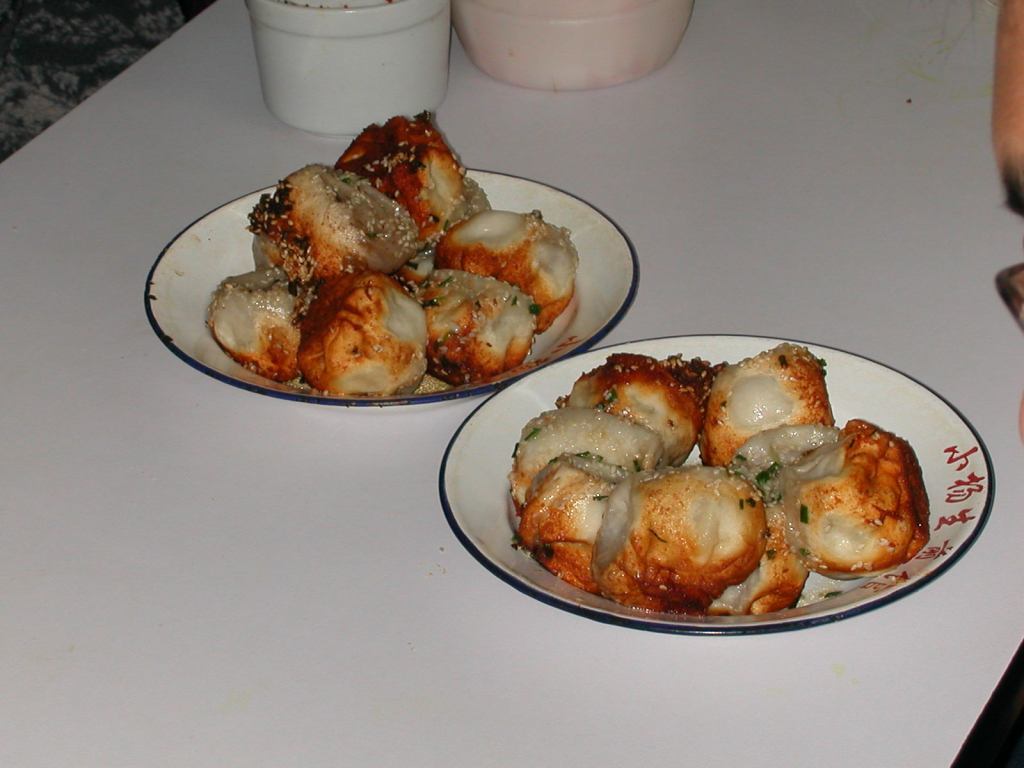
Traveling back to 2005, we could have the immense pleasure of visiting the very first Xiaoyang Shengjian (小杨生煎) store on Wujiang Road in Jing’an District, Shanghai. I still remember that the 4 buns cost only RMB 2 (less than CAD 0.5). Xiaoyang Shengjian was so popular that it has since grown into a chain store. You can even find it in Canada now! So, don’t underestimate the power of small entrepreneurs — they may become giants one day.

We would learn that many students left their hometowns to attend university. They were incredibly hardworking and competitive.

This was my typical lunch in the middle of the day at school.
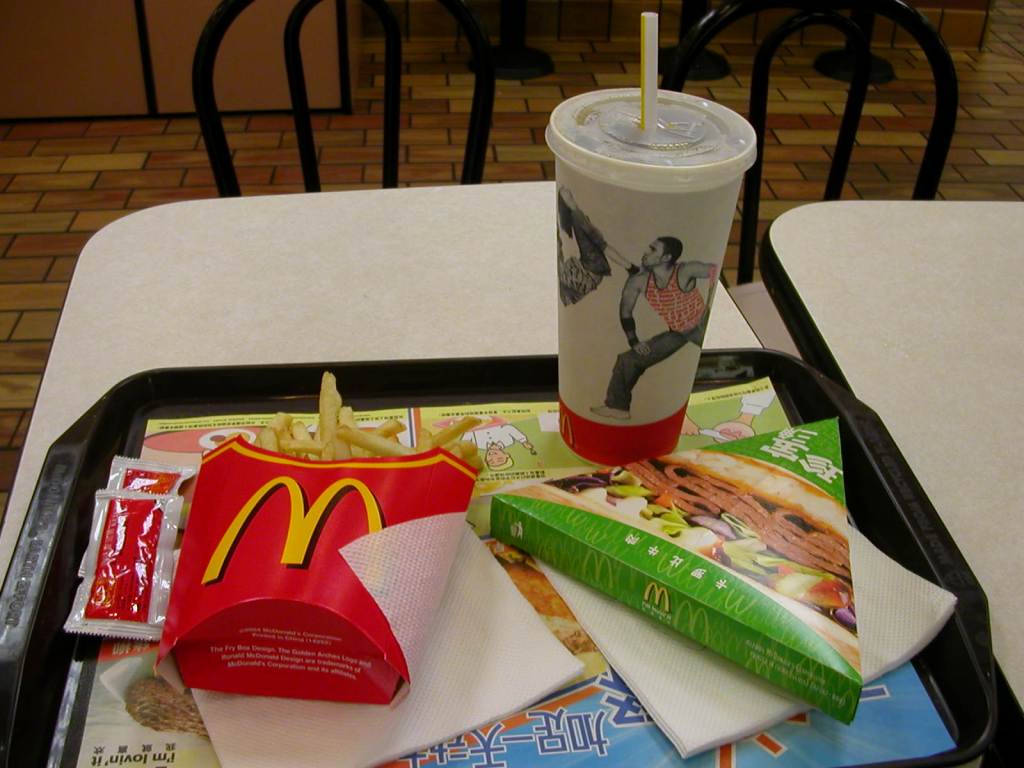
Sometimes, I would have my meal elsewhere. When I revisited my photos, I was surprised to see that McDonald’s offered rice burgers as a limited-time offer in 2005.
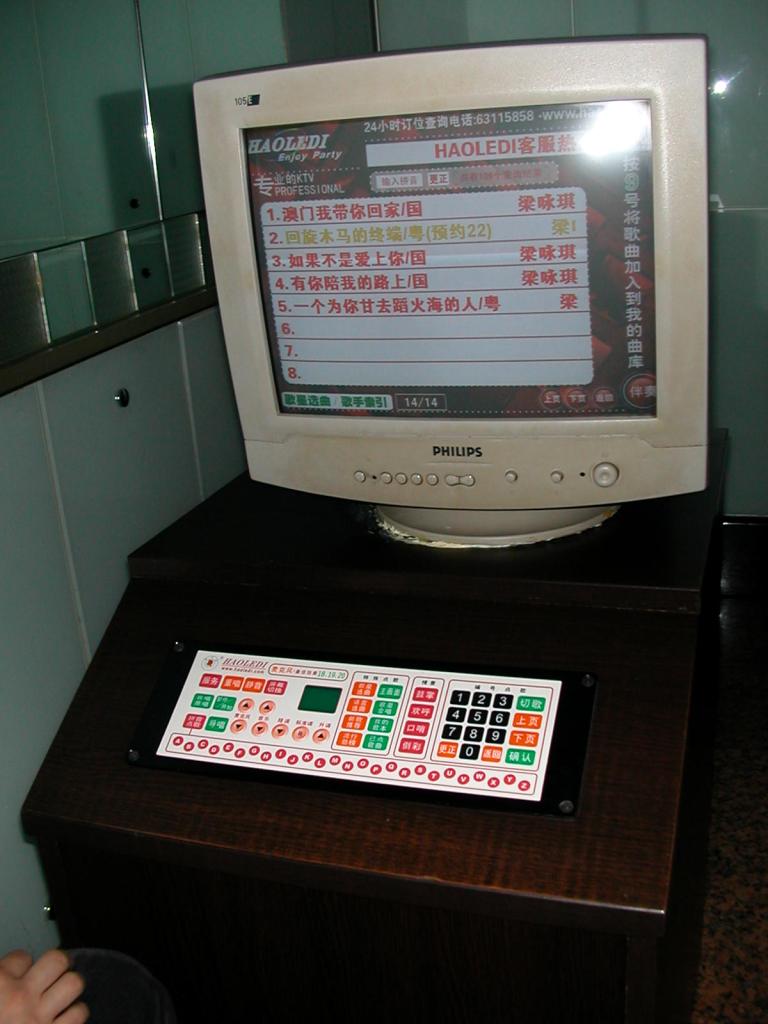
I wasn’t a fan of KTV, but some of my friends loved it. 20 years after this photo was taken, I’m saddened to see that KTV has shrunk significantly after Covid pandemic. The younger generation has become accustomed to staying home, even during holidays.
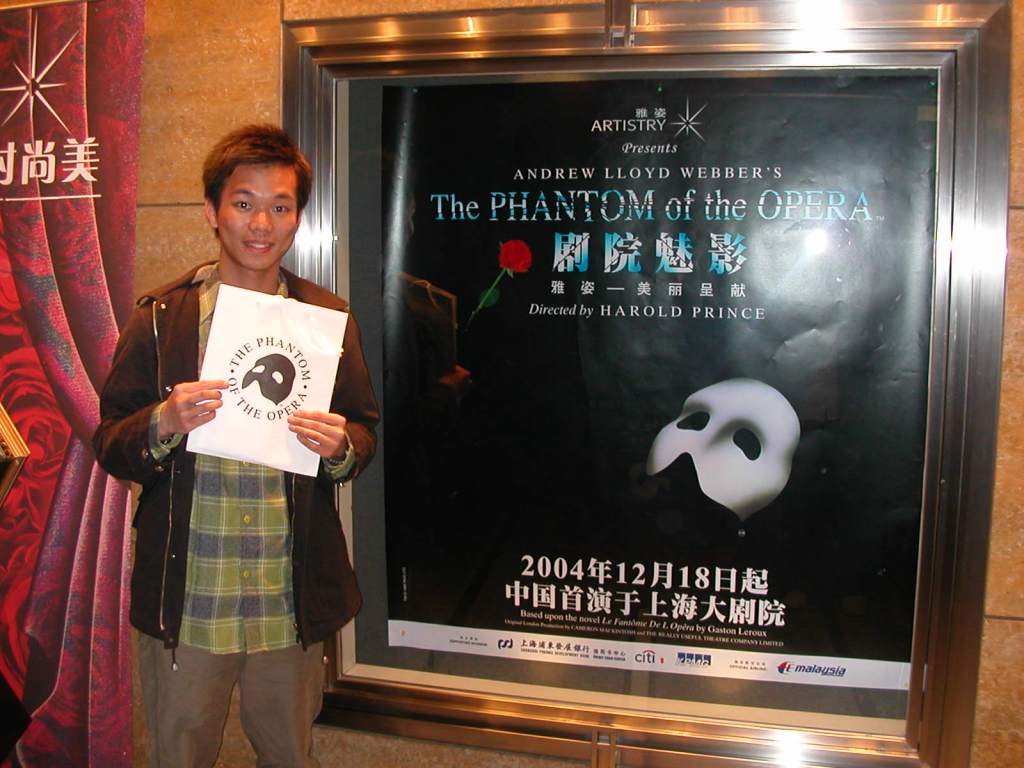
Instead of KTV, I was a fan of live theatre. Traveling back in 2005, we definitely shouldn’t miss Andrew Lloyd Webber’s The Phantom of the Opera in Shanghai!

I was getting a shampoo in a hair salon!

Newspaper booths used to be everywhere, but now many of them have been taken down. Who would pick a magazine to read, except maybe when visiting a hair salon?

If I could travel back to 2005, my advice to my younger self would be to borrow some money from a bank and buy property in Shanghai. Just look at the property prices in the photo. The Chinese property market would boom over the next 10 years. A gentle reminder — be rational when making any investment decisions because every investment carries some risks.
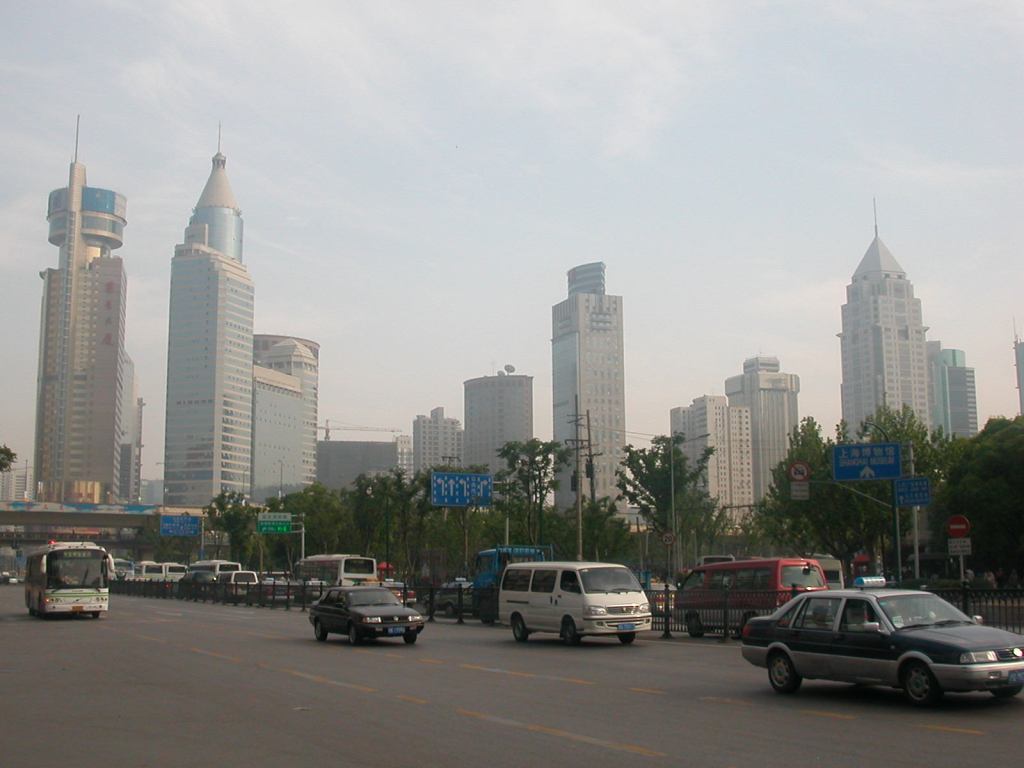
Chinese people in 2005 were very hardworking, and so are the people in 2025.
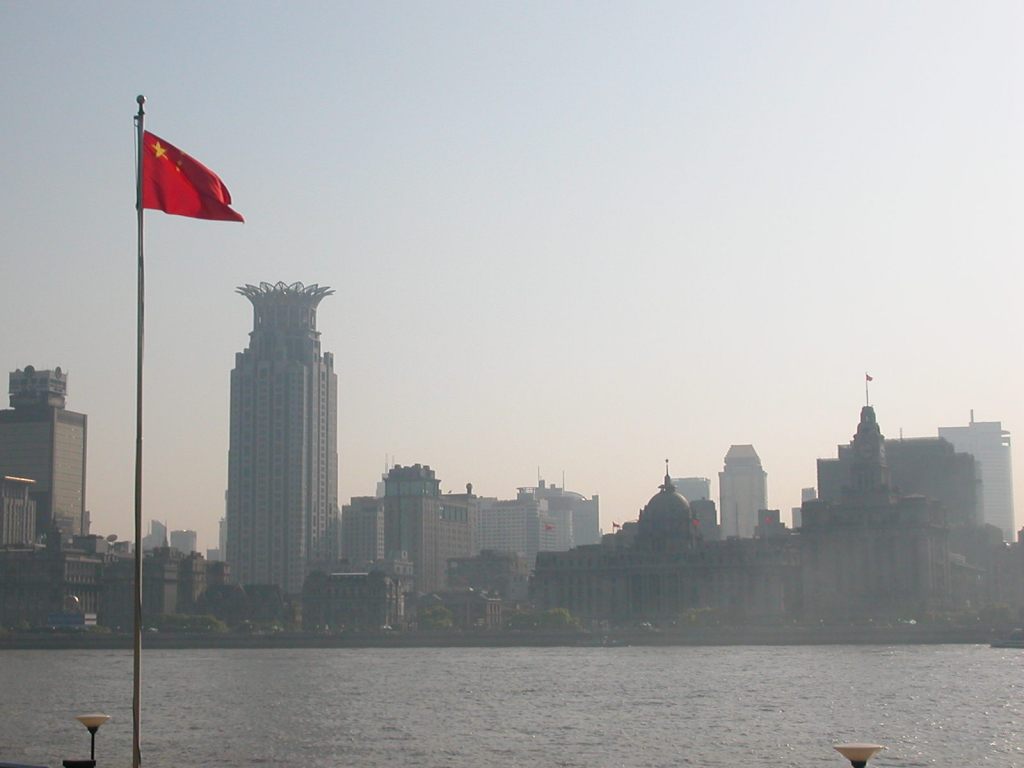
In 2005, I found Mainland China to be an exciting place full of business opportunities.

The university exchange program in 2005 was undoubtedly a fruitful and eye-opening experience.
Over the past 20 years, I have found the following fascinating.
First, it is technological advancement. I am amazed at how technology has transformed people’s daily lives, from media consumption to shopping habits. Learning new technology has become essential.
Second, it is China Speed. I have witnessed the incredible achievements the country has made over the past two decades, particularly in infrastructure. China’s urbanization rate has grown from nearly 43% in 2005 to over 66% in 2023. I expect China to continue advancing even faster in the next 20 years. Let’s see.
Lastly, it is the importance of humanity. Observing how people live, listening to what they say, and understanding the reasons behind their actions are fascinating. At the same time, figuring out how to improve people’s lives with our knowledge is crucial. This is the power of Consumer Insights.
While looking forward to the next 20 years, I miss 2005.
Vincent
 Vincent Kwong
Leave a reply to Vincent Kwong Cancel reply